
Introduction
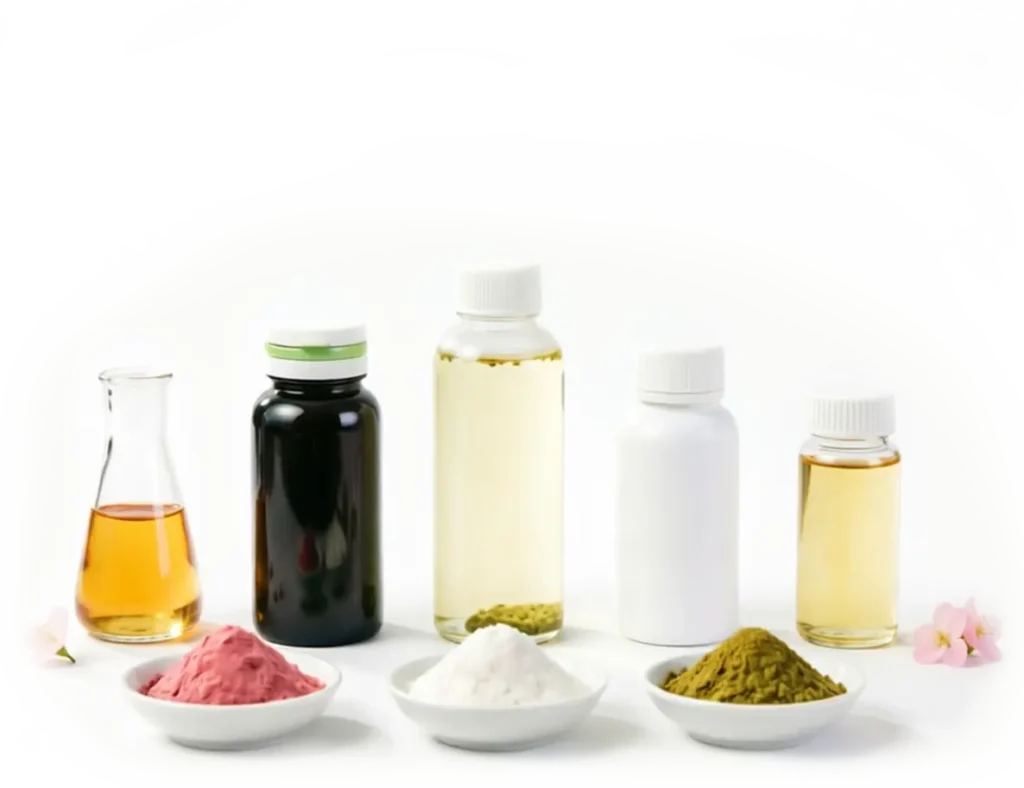
For food manufacturers, hydrolyzed vegetable protein trends in 2026 are being shaped by three practical questions: how to build stronger savory flavor, how to choose between HVP powder and HVP liquid, and how to support cleaner, more flexible formulation strategies.
In seasoning blends, instant soups, sauces, snacks, ready meals, and plant-based applications, HVP remains a widely used savory ingredient because it can support umami depth, flavor continuity, and formulation efficiency. The discussion is no longer only about whether manufacturers use HVP. It is increasingly about which HVP format, protein source, processing route, and application direction fits the final product.
For buyers comparing product formats and application options, QX FOOD provides a dedicated hydrolyzed vegetable protein solutions page covering HVP powder, HVP liquid, application directions, featured product options, and documentation support.
What is changing in 2026 is not the basic role of HVP in savory food production. The shift is how buyers evaluate HVP: from single-function flavor enhancement toward application-specific savory systems that can support stable taste performance, scalable supply, export documentation, and customized formulation needs.
This article reviews the main HVP trends shaping food manufacturing in 2026, including clean-label pressure, powder and liquid format selection, enzymatic and acid hydrolysis differences, plant-based application needs, and buyer considerations for global B2B sourcing.
For buyers comparing application formats, QX FOOD’s HVP powder and liquid product range provides a product-level overview for seasoning, soup, sauce, snack, and ready-meal manufacturing needs.
What Is Hydrolyzed Vegetable Protein?
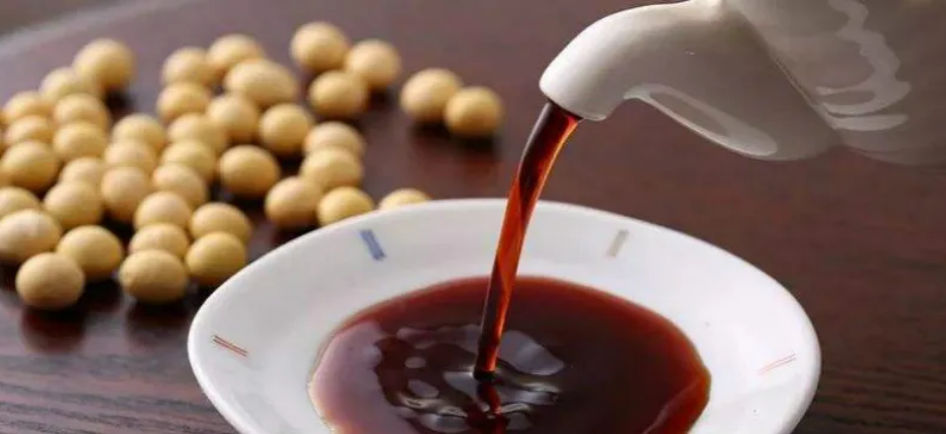
Hydrolyzed vegetable protein, commonly referred to as HVP, is a savory ingredient produced by breaking down vegetable proteins into smaller amino acids and peptides through a hydrolysis process.
In industrial production, the protein source may come from soy, wheat, corn, pea, or other plant materials depending on the target application and flavor profile.
From a technical standpoint, HVP functions primarily as a flavor enhancer. But in real-world food manufacturing, its role is much broader than that.
A well-designed HVP system can help improve:
- Umami intensity
- Flavor depth
- Mouthfeel
- Broth richness
- Savory persistence
- Overall flavor balance
That’s why HVP continues appearing across such a wide range of food categories.
Whether you’re formulating a low-cost snack seasoning or a premium plant-based product, there’s a good chance some form of hydrolyzed protein is involved somewhere in the flavor architecture.
Why Hydrolyzed Vegetable Protein Trends Drive Demand in 2026
If we look at current food industry trends, the continued growth of HVP actually makes perfect sense.
Several major shifts are happening simultaneously, and nearly all of them increase demand for efficient savory systems.
According to multiple food industry reports, global demand for savory flavor systems and plant-based ingredients continues rising steadily across Asia, Europe, and North America.
Plant-Based Foods Still Need Better Flavor
Let’s be realistic for a moment.
Texture in plant-based foods has improved significantly over the past few years. Appearance has improved too. But flavor? That’s still where many products struggle.
Consumers may buy a plant-based product once out of curiosity or health interest. They only buy it again if the eating experience feels genuinely satisfying.
And this is where hydrolyzed vegetable protein continues to prove useful.
HVP helps bring warmth, fullness, and savory depth into plant-based formulations that would otherwise taste flat or thin. In many applications, it acts almost like the “background structure” supporting the overall flavor profile.
Inside R&D departments, this has become increasingly important.
Because creating a convincing meat alternative is no longer just about protein content — it’s about recreating the emotional familiarity of savory foods people already enjoy.
Formulation Synergy: For R&D teams specifically targeting chicken-profile poultry alternatives, combining enzymatic plant proteins with a dedicated clean label chicken seasoning base can effectively mask off-notes while maintaining a 100% additive-free ingredient declaration.
Clean Label Expectations Are Reshaping Ingredient Development
The phrase “clean label” gets used constantly across the industry now, sometimes to the point of becoming vague marketing language. But behind the trend, there’s a very real shift happening in purchasing behavior.
Consumers are paying closer attention to ingredient lists. Food brands know this. Retailers know this too.
As a result, manufacturers are putting far more effort into developing savory systems that feel more natural, simpler, and less aggressively processed.
That’s one reason enzymatic hydrolysis and fermentation-based flavor technologies are attracting so much attention in 2026.
Compared with older production methods, these approaches can help create:
- Cleaner flavor profiles
- Reduced bitterness
- More rounded savory notes
- Better label positioning
- Improved flavor authenticity
So rather than replacing HVP, the industry is gradually modernizing it.
Convenience Foods Continue Expanding Worldwide
Despite all the conversation around fresh food and wellness trends, convenience food demand continues growing globally.
Busy schedules, urban lifestyles, delivery platforms, and frozen meal expansion are all contributing to this growth.
And convenience foods rely heavily on flavor efficiency.
Manufacturers need seasoning systems that perform consistently across:
- Instant noodles
- Frozen meals
- Savory snacks
- Soup powders
- Ready-to-eat foods
- Compound seasonings
From a production perspective, consistency matters just as much as flavor intensity.
Factories need ingredients that dissolve well, blend evenly, remain stable during processing, and maintain flavor performance across large-scale production batches.
HVP continues fitting that requirement extremely well.
Key Industry Insights in 2026
More food manufacturers are shifting from traditional acid-hydrolyzed systems toward enzymatic and fermentation-based savory ingredients. The reason is no longer just flavor performance — it is also about cleaner labels, reduced bitterness, and better global market acceptance.
How Modern Processing Technology Is Changing HVP
The hydrolyzed vegetable protein industry today looks very different from what it did even ten years ago.
Previously, the focus was often straightforward: maximize savory impact at the lowest possible cost.
Now the priorities are more sophisticated.
Manufacturers are paying closer attention to:
- Flavor smoothness
- Aroma balance
- Solubility
- Label perception
- Sodium optimization
- Mouthfeel performance
And processing technology is evolving alongside those demands.
Enzymatic Hydrolysis
Enzymatic hydrolysis has become increasingly popular for manufacturers targeting cleaner and more refined savory systems.
Compared with traditional acid hydrolysis, enzymatic processing allows more controlled protein breakdown, which can produce:
- Reduced harshness
- Lower bitterness
- Cleaner umami
- Better flavor balance
This becomes especially valuable in premium sauces, high-end seasonings, and plant-based applications where consumers expect a more natural taste experience.
Fermentation Technology
Fermentation is quietly becoming one of the most influential technologies in modern savory ingredient development.
And honestly, this trend is larger than many people inside the industry initially expected.
When fermentation is combined with protein hydrolysis, manufacturers can create flavor systems with greater complexity and more natural savory character.
From a sensory perspective, fermented savory systems often feel:
- Fuller
- Rounder
- Softer
- More authentic
That matters because modern consumers increasingly associate overly sharp or artificial savory notes with lower product quality.
Advanced Spray Drying Systems
Spray drying may sound highly technical, but it directly affects day-to-day production performance for food manufacturers.
Improved spray drying technology helps optimize:
- Powder flowability
- Solubility
- Shelf stability
- Moisture control
- Batch consistency
And for industrial food production, those details are not minor.
A seasoning powder that clumps, dissolves poorly, or behaves inconsistently during blending can create major manufacturing inefficiencies at scale.
Acid Hydrolyzed HVP vs Enzymatic HVP
Not all hydrolyzed vegetable proteins perform the same way, and choosing the right type depends heavily on the final product target.
To better analyze these hydrolyzed vegetable protein trends, the following matrix breaks down how different processing technologies manage manufacturing risks:
| Type | Main Characteristics | Common Applications |
|---|---|---|
| Acid Hydrolyzed HVP | Strong savory impact, cost-efficient | Instant noodles, snack seasonings |
| Enzymatic HVP | Cleaner flavor, lower bitterness | Premium sauces, plant-based foods |
| Fermented Savory Systems | More natural flavor complexity | Clean-label formulations |
In reality, there’s no universal “best” option.
A mass-market snack seasoning may prioritize impact and cost efficiency, while a premium plant-based product may prioritize cleaner flavor development and label positioning.
The formulation strategy changes depending on the application.
Where Is Hydrolyzed Vegetable Protein Used?
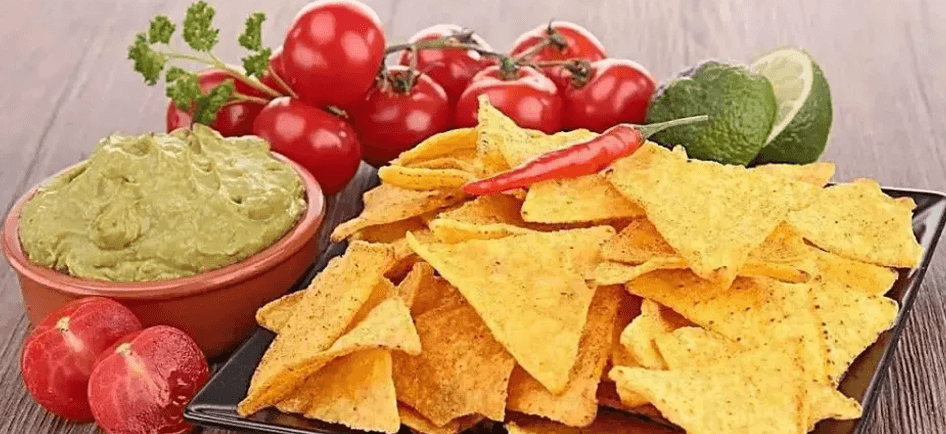
One reason HVP remains so valuable is its versatility.
It adapts well across multiple food systems, both powder-based and liquid-based.
Seasoning Blends
This remains one of the largest application categories.
Savory seasoning systems often rely on HVP to create depth, continuity, and long-lasting flavor perception.
It’s commonly used in:
- Compound seasonings
- Dry soup bases
- Savory premixes
- Snack coatings
- Meat-flavor seasonings
Inside industrial formulations, HVP often acts as the “bridge” connecting top-note flavors with deeper savory body.
Instant Noodles
Walk through almost any instant noodle production facility, and savory powder systems are everywhere.
Broth flavor needs to feel rich, warm, and satisfying — especially in lower-cost products where manufacturers still need strong sensory performance.
HVP helps deliver that depth efficiently.
Plant-Based Meat Products
This category continues growing globally, but flavor development remains one of its biggest technical challenges.
Many plant proteins naturally carry:
- Beany notes
- Dry mouthfeel
- Weak savory character
HVP helps compensate for those limitations by improving overall flavor richness and umami perception.
Without supportive savory systems, many plant-based products simply struggle to achieve repeat purchase acceptance.
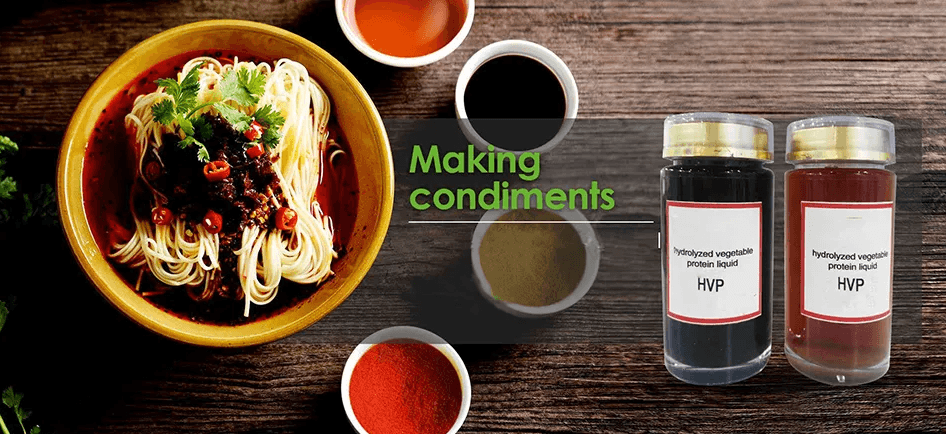
Sauces and Condiments
Hydrolyzed vegetable protein is also widely used in:
- Savory sauces
- Marinades
- Cooking sauces
- Compound condiments
- Flavor bases
Its flexibility makes it useful across both industrial manufacturing and customized formulation systems.
Is HVP Compatible with Clean Label Trends?
This question comes up constantly now, especially among export-oriented food manufacturers.
The short answer is: it depends on the production method and target market positioning.
Traditional acid hydrolyzed HVP may not align with every clean-label strategy. However, enzymatic and fermentation-based technologies are helping manufacturers develop savory systems that better match modern ingredient expectations.
So the industry is no longer thinking only about flavor intensity.
Now the focus is shifting toward balance:
- Better flavor quality
- Cleaner positioning
- Regulatory compliance
- Consumer-friendly formulation
- Functional performance
And that balance is becoming one of the defining challenges in savory ingredient development.
Many food manufacturers are reformulating products to align with evolving clean-label and ingredient transparency expectations.
Staying ahead of these global hydrolyzed vegetable protein trends allows procurement managers to protect their clean label integrity without losing flavor depth.
The Future of Hydrolyzed Vegetable Protein
Looking ahead, hydrolyzed vegetable protein is unlikely to disappear from modern food manufacturing anytime soon.
If anything, its role may become even more specialized and technologically refined.
Several long-term trends continue supporting growth:
- Expansion of plant-based foods
- Global savory snack consumption
- Demand for convenience foods
- Clean-label innovation
- Customized seasoning systems
- Fermentation-based flavor technologies
At the same time, manufacturers are investing more heavily in:
- Non-GMO solutions
- Sustainable sourcing
- Advanced savory systems
- Functional ingredient combinations
- Precision flavor optimization
So the future of HVP is no longer simply about creating stronger flavor.
It’s about building smarter savory systems that perform well across modern manufacturing, labeling, and consumer expectations simultaneously.
Frequently Asked Questions
What is driving HVP demand in food manufacturing in 2026?
HVP demand is being driven by the need for stable savory flavor, efficient umami enhancement, flexible application formats, and ingredient systems that can work across seasonings, soups, sauces, snacks, ready meals, and plant-based products.
Is HVP powder or HVP liquid better for seasoning production?
HVP powder is often preferred for dry seasoning blends, instant noodle seasoning, snack coatings, soup powder, and premix systems because it is easier to blend, store, and dose. HVP liquid may be more suitable for sauces, marinades, liquid seasonings, and applications where direct liquid integration is preferred.
How should buyers compare soy, corn, and mixed HVP options?
Buyers should compare protein source, flavor direction, color, solubility, application target, labeling needs, documentation availability, and destination-market requirements. The best HVP option depends on the final food application rather than the raw material alone.
Can HVP be customized for soups, sauces, snack seasonings, and ready meals?
Yes. For B2B projects, HVP products can often be developed or adjusted around target flavor profile, powder or liquid format, color, solubility, packaging format, and application direction. Final specifications should be confirmed based on the product document and project requirements.
Where can buyers compare HVP powder and liquid product options?
Buyers can review QX FOOD’s HVP powder and liquid product range to compare application directions, featured product options, documentation support, and customized savory ingredient solutions.
Key Takeaways
- Hydrolyzed vegetable protein remains a core savory ingredient in global food manufacturing.
- Plant-based foods and clean-label trends are accelerating HVP innovation.
- Enzymatic and fermentation technologies are improving flavor quality and application flexibility.
- HVP continues playing an important role across seasonings, snacks, sauces, and convenience foods.
- Future development is increasingly focused on cleaner flavor systems, formulation efficiency, and customized savory solutions.
Looking for HVP Ingredient Solutions for Food Manufacturing?
QX FOOD supports food manufacturers, importers, distributors, and private-label buyers working with savory seasoning systems, instant food applications, sauces, snacks, ready meals, and customized HVP-based formulations.
For buyers evaluating hydrolyzed vegetable protein options, the main comparison points usually include powder or liquid format, target application, flavor direction, packaging requirements, documentation needs, and destination-market requirements.
Recommended related resources:
- HVP powder and liquid product range
- HVP powder comparison: FSA vs NS/MF-01
- Compound seasoning powder solutions
- Fermented and brewed powder ingredients
We support bulk supply, OEM customization, application development, custom packaging discussions, and export-oriented food manufacturing projects.
Share your target application, required HVP format, custom packaging needs, and estimated annual volume. Our global trade division will respond within 1 business day.