
Trends & News
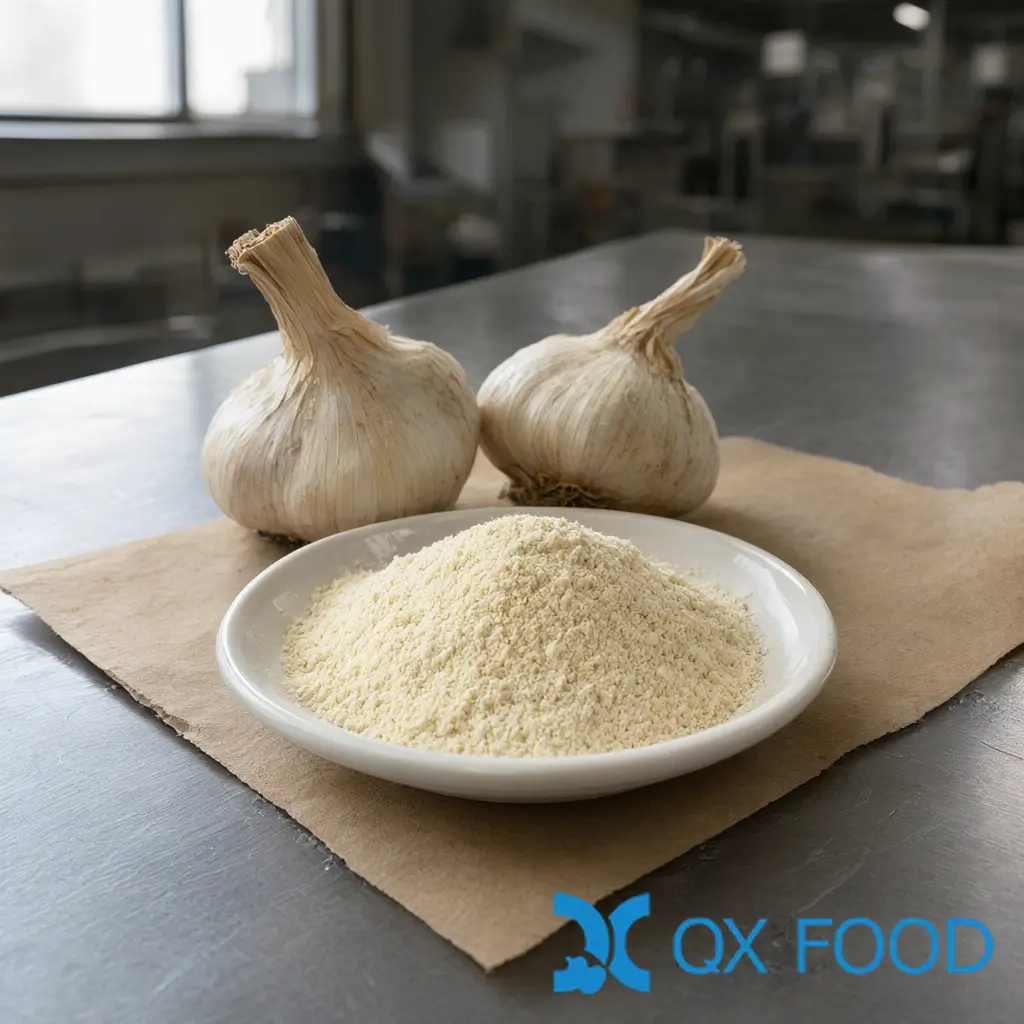
Two garlic powders can pass the same certificate and taste different. Crushing, heat, drying and rehydration explain why, and what to ask a supplier.
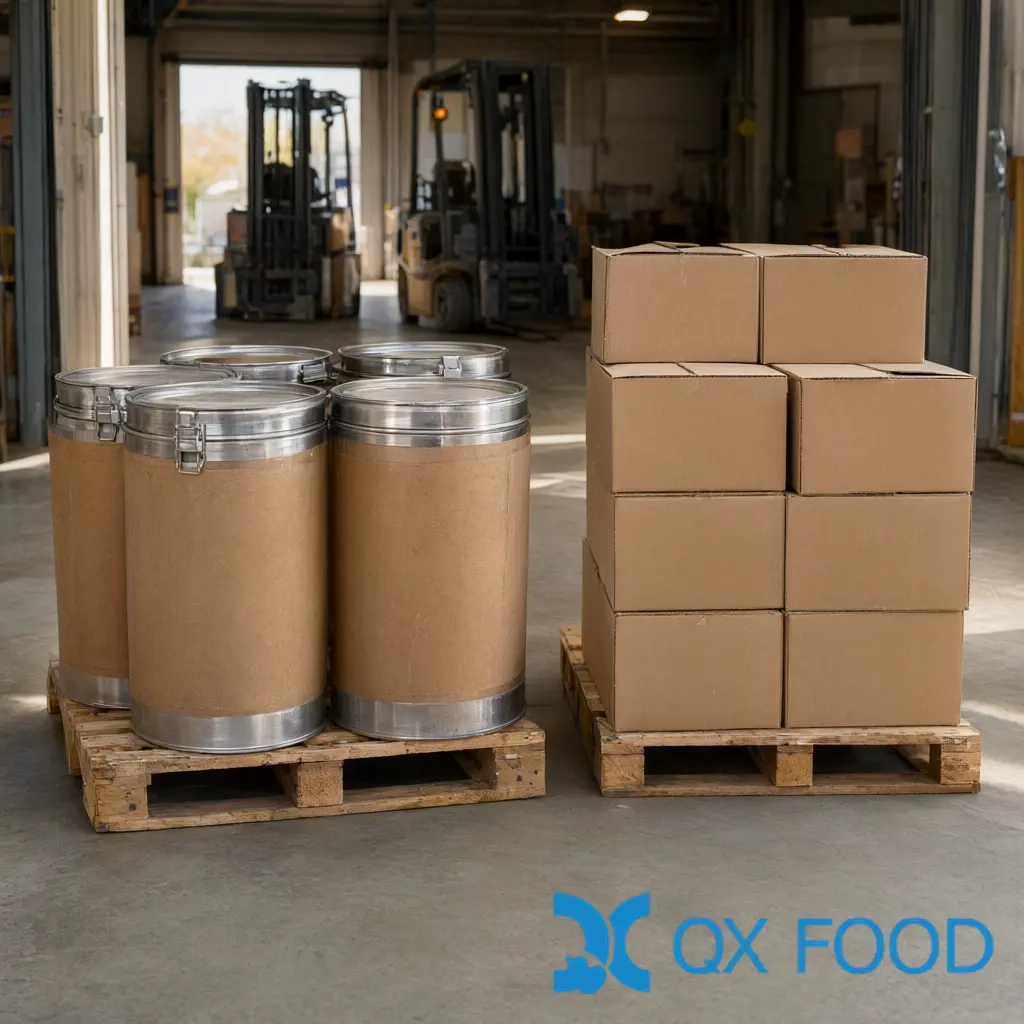
Tomato ingredient freight and storage cost comparison: start from a validated basis, price whole packages and pallet volume, then test LCL against FCL.
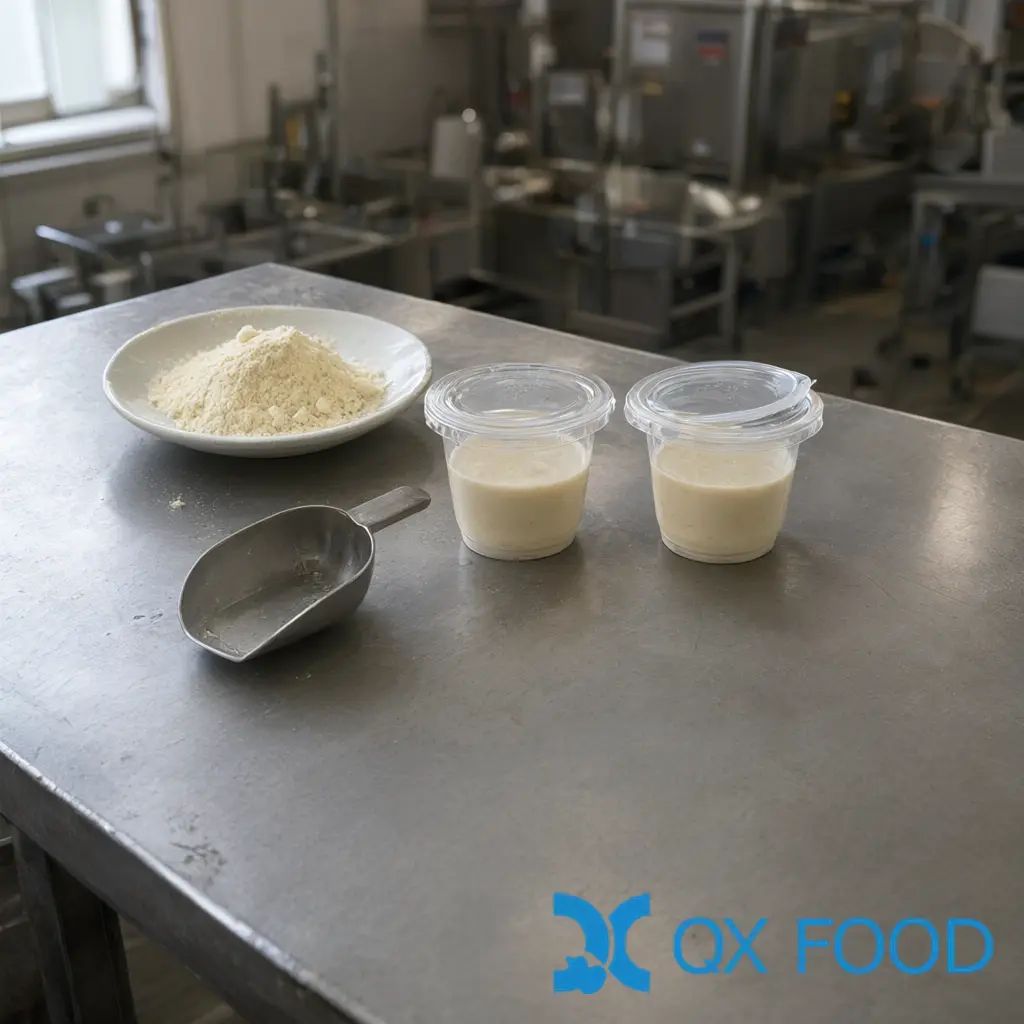
Garlic powder sensory evaluation, designed as a small process trial: fix the base and heat history, code the samples, separate fresh-garlic from cooked notes, and record the decision. Includes a blank comparison record.
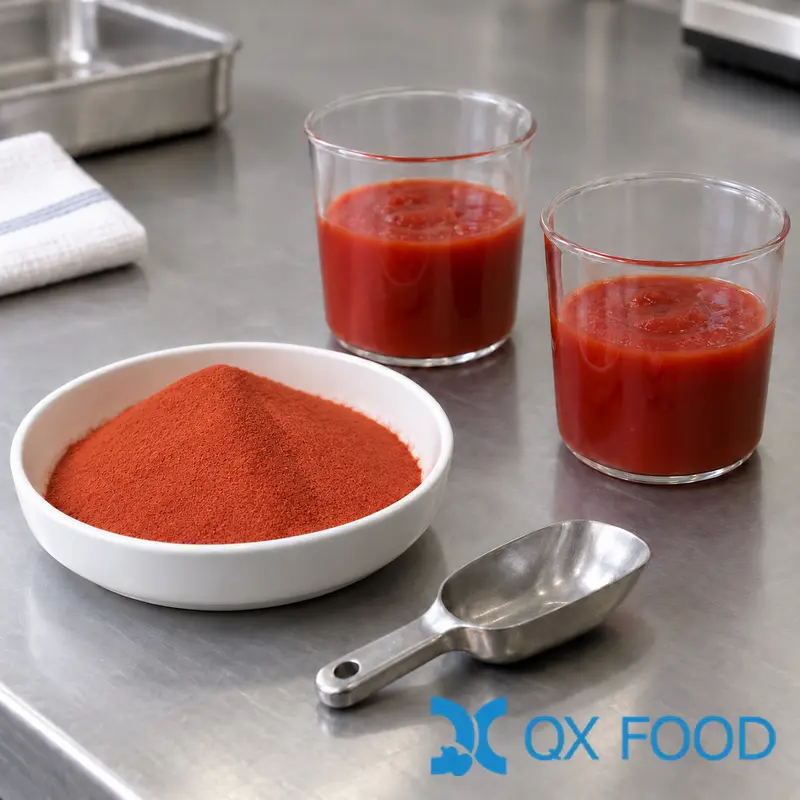
How to evaluate tomato powder for ketchup manufacturing: define the formulation change, record hydration and processing conditions, and compare the finished sauce with a reference. Includes a practical trial record without an invented replacement ratio or product-performance claim.
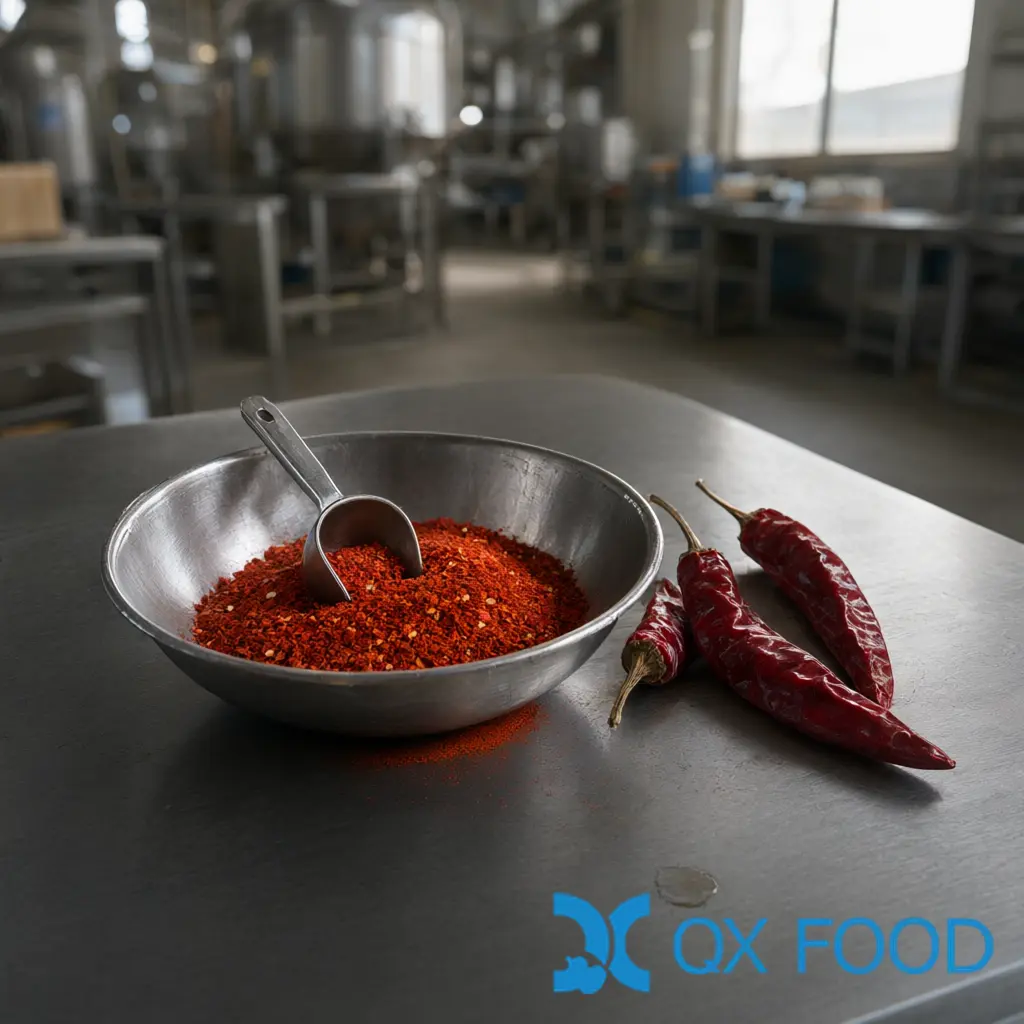
A gochugaru specification is a Korean document before it is an English one. This guide maps the Food Code floor, the KS pungency grades, ASTA color and the contract lines that hold at intake.
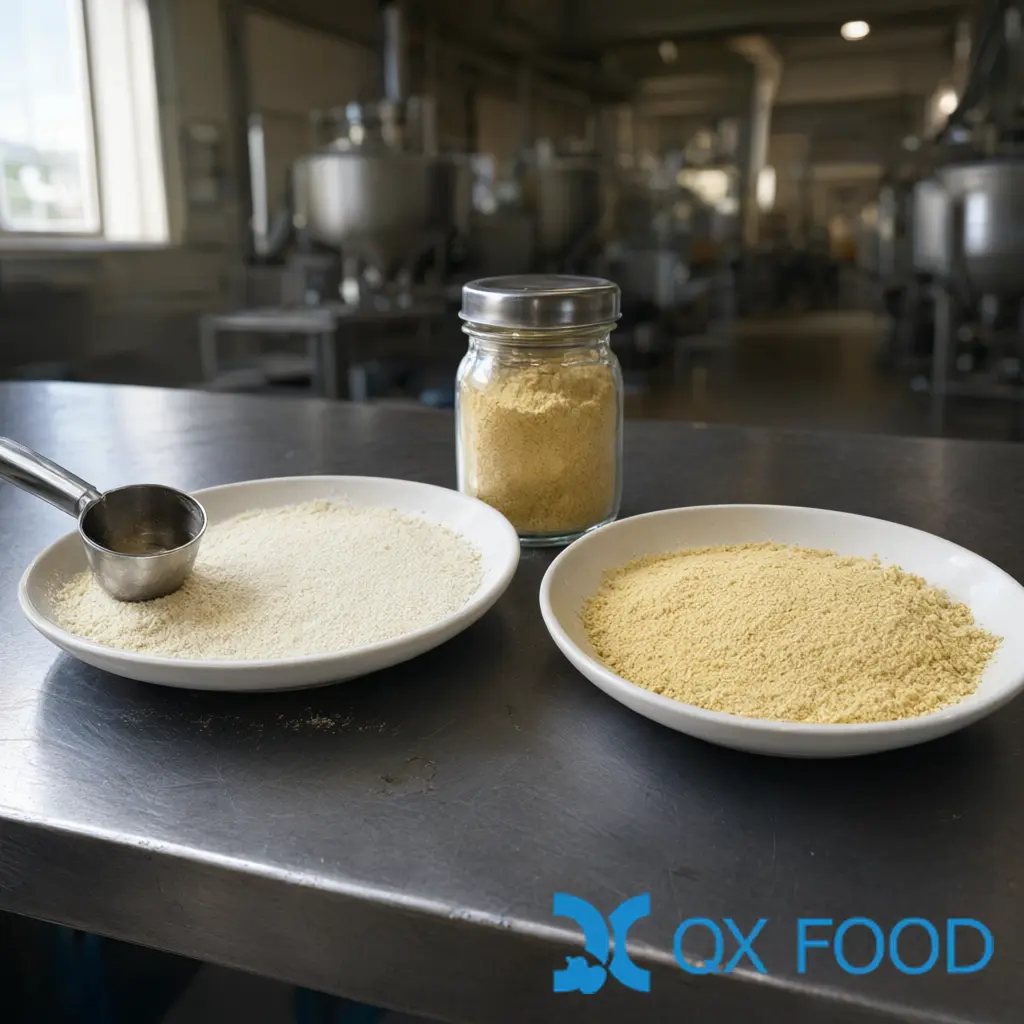
Onion powder color is a specification to write, not a ladder to read. This guide decodes Fancy, Standard and toasted, explains how extractable color and surface color are measured, and shows how to write a color clause that holds.
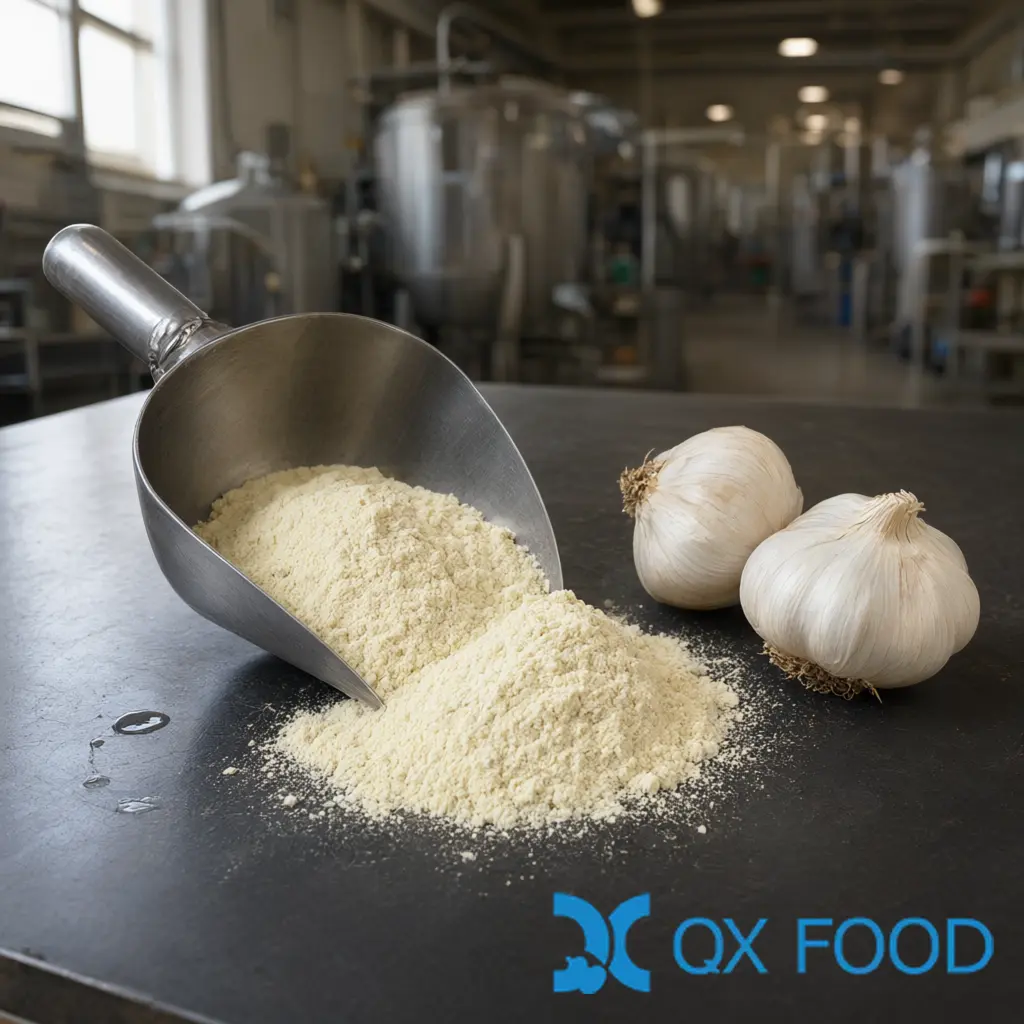
The lines on a garlic powder specification each answer a different question. This guide reads moisture, sieve residue, ash, sulfites and micro line by line, and shows which ones belong in the purchase contract.
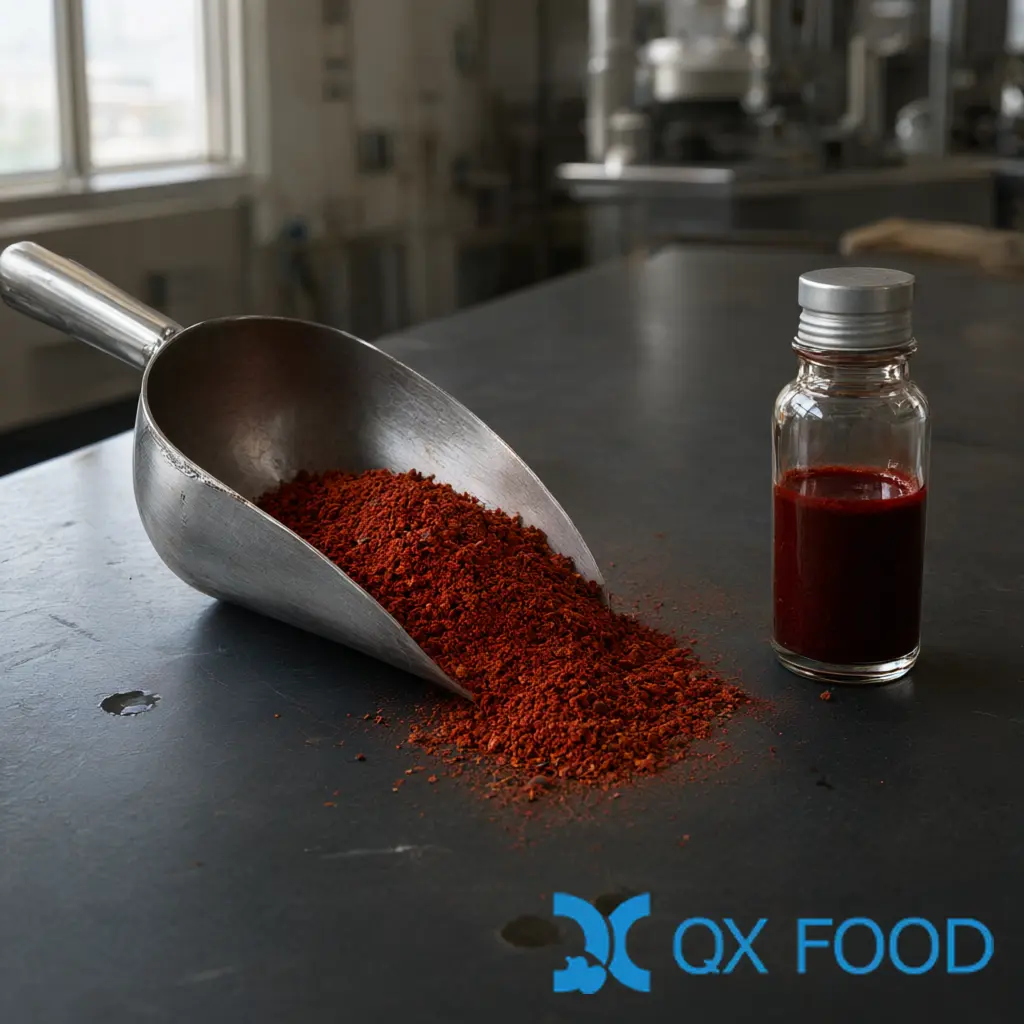
How to write a capsaicin content specification that survives crop years: method, basis, tolerance window, sampling and the batch evidence behind the number.
A buyer's comparison of spice sterilization methods for chili powder: what steam, irradiation and ethylene oxide change in the powder, how the destination market's rules differ, and how to write and verify the requirement.