
Introduction
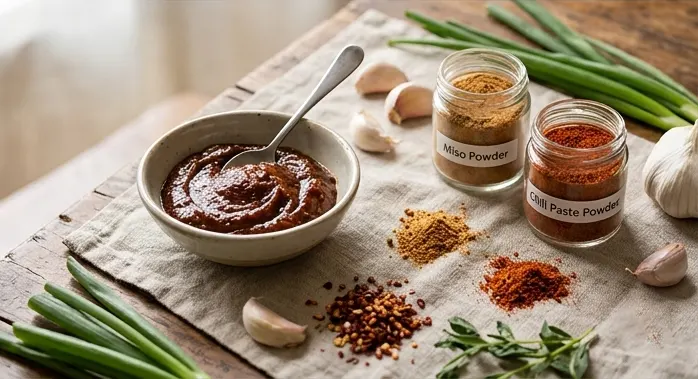
For food manufacturers developing sauces, instant seasonings, hot pot bases, snack coatings, ready meals, and OEM savory products, fermented paste powders offer a practical way to bring fermented depth into scalable dry or blended food systems.
Traditional fermented pastes can deliver strong regional flavor, but they also create challenges in industrial production: high moisture, batch variation, storage complexity, transportation weight, and dosing inconsistency. Spray-dried fermented paste powders are designed to help manufacturers manage those challenges while keeping the key savory character of fermented ingredients.
For model-level comparison and product selection, see our Fermented Paste Powder Series catalog. For the broader ingredient family, visit the Fermented & Brewed Powders category page.
This guide is written for B2B buyers, product developers, seasoning manufacturers, sauce factories, and private-label food teams. It explains how to read fermented powder specifications, how different fermented paste powders behave in formulation, and how to evaluate supplier documentation before bulk purchase.
In this guide, we cover:
- How to interpret fermented paste powder specifications
- The differences between bean paste powder, doubanjiang powder, douchi powder, miso powder, and fermented bean curd powder
- How total nitrogen, sodium chloride, moisture, and addition rate affect formulation
- Application guidance for sauces, instant noodles, hot pot bases, snacks, ready meals, and OEM savory projects
- How to evaluate documentation, packaging, customization support, and supplier suitability
Part 1: What the Specifications Actually Tell You
Most ingredient suppliers provide specification sheets. Fewer explain what the numbers mean for your specific application. Let us work through the key indicators.
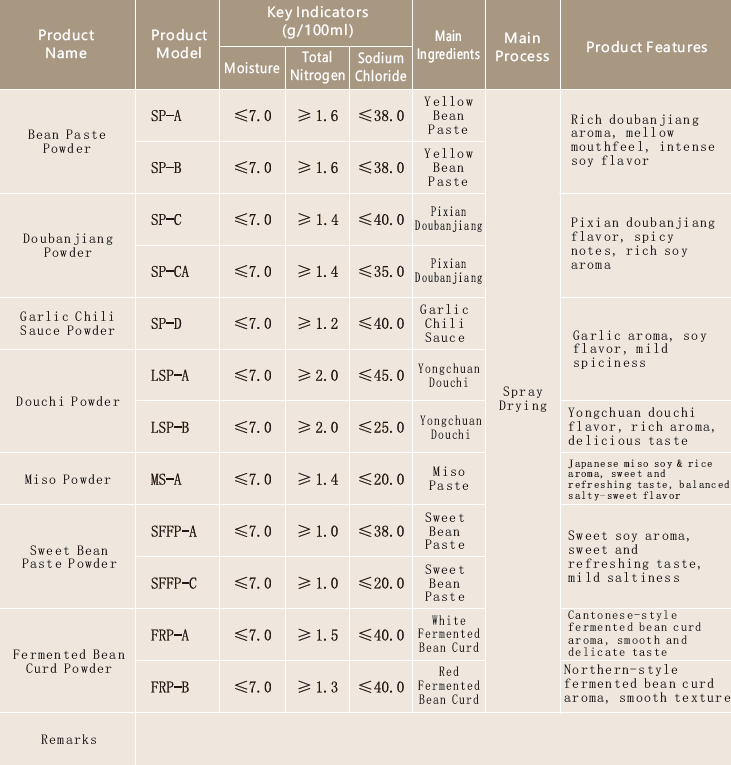
Moisture (≤7.0 g/100ml across all products)
All spray-dried fermented paste powders in a well-manufactured range should carry moisture below 7.0%. This is the threshold that gives you manageable shelf life — 12 months under standard storage conditions (below 25°C, below 60% relative humidity) and processability in dry blending environments.
Above 7%, you start seeing caking, flow problems, and accelerated Maillard-driven browning that distorts flavor profiles. Any supplier quoting above this threshold for ambient-stable powder deserves skepticism.
Total Nitrogen (varies by product: ≥1.0 to ≥2.0 g/100ml)
Total nitrogen is arguably the most important indicator for fermented flavor intensity. In soy-based fermented systems, nitrogen largely reflects the extent of protein hydrolysis — the degree to which soybean proteins have been broken down into peptides and free amino acids during fermentation.
Higher total nitrogen = more amino acid complexity = stronger umami and deeper savory development.
Here is how the product range stratifies by total nitrogen:
| Total Nitrogen | Products | Implication |
|---|---|---|
| ≥2.0 g/100ml | LSP-A, LSP-B (Douchi) | Highest fermentation depth; strong umami; use at lower addition rates |
| ≥1.6 g/100ml | SP-A, SP-B (Bean Paste) | Strong savory base; versatile for compound systems |
| ≥1.5 g/100ml | FRP-A (White Fermented Bean Curd) | Smooth umami; Cantonese-style applications |
| ≥1.4 g/100ml | SP-C, SP-CA (Doubanjiang), MS-A (Miso) | Balanced fermented character; wide application range |
| ≥1.3 g/100ml | FRP-B (Red Fermented Bean Curd) | Northern-style fermented curd; deep red fermented bean curd notes |
| ≥1.2 g/100ml | SP-D (Garlic Chili Sauce) | Garlic and fermented base; application flexibility |
| ≥1.0 g/100ml | SFFP-A, SFFP-C (Sweet Bean Paste) | Sweetness-forward; lower savory emphasis |
Sodium Chloride (varies by product: ≤20.0 to ≤45.0 g/100ml)
Salt content in fermented powders matters more than many formulators initially account for.
At the high end, LSP-A (Douchi, ≤45.0 g/100ml) carries significant intrinsic salinity. If you are adding this to an already-salted seasoning blend without accounting for it, you will overshoot your sodium targets and create a harsh rather than complex flavor result.
At the low end, MS-A (Miso, ≤20.0 g/100ml) and SFFP-C (Sweet Bean Paste, ≤20.0 g/100ml) give you more formulation headroom.
Practical note: When combining multiple fermented powders in a compound system, always map out total sodium contribution from each component before finalizing your addition rate. A blend of LSP-B + FRP-B can deliver excellent depth, but the combined sodium load requires careful calibration against your overall seasoning profile.
Recommended Addition Rate: 0.5%–5%
The documented application range is 0.5% to 5% by product weight, which gives you reasonable formulation latitude. In practice:
- 0.5–1.0%: Background note; fermented character supports other flavor elements without dominating
- 1.5–2.5%: Noticeable fermented identity; suitable for products where authentic flavor is a selling point
- 3.0–5.0%: Lead flavor driver; use when fermentation character is central to product positioning
Part 2: The Product Series — What Distinguishes Each
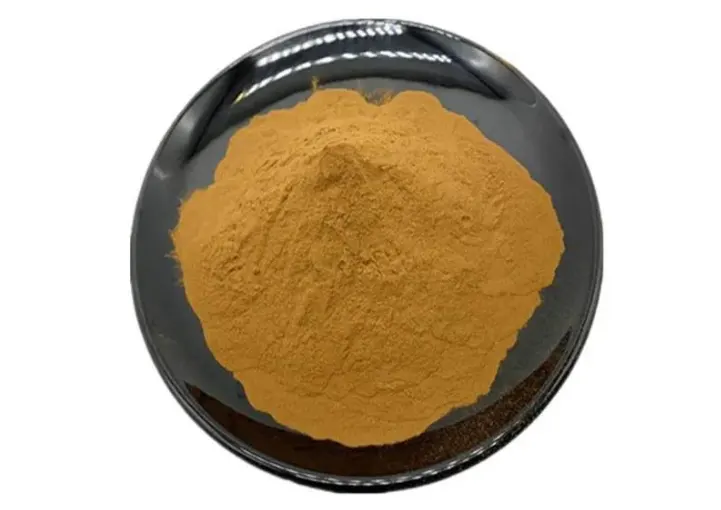
Bean Paste Powder Series (SP-A / SP-B)
Raw material: Northern yellow bean paste (黄豆酱)
Both SP-A and SP-B are built from traditional yellow soybean paste — arguably the most widely used fermented condiment in Northern Chinese home cooking. The fermentation system produces a clean, balanced savory base with what the specification describes as “mellow mouthfeel and intense soy flavor.”
The distinction between SP-A and SP-B in practice comes down to fermentation depth and flavor intensity, with SP-B positioned as the stronger expression. For industrial compound seasoning systems, SP-A’s smoother profile integrates more easily without requiring flavor balancing. SP-B rewards applications where you want the fermented bean paste character to read clearly after cooking — braised food seasonings, darker noodle sauces, and dipping sauce bases.
Application fit: Instant noodles, compound seasonings, savory snack coatings, sauce bases, frozen prepared foods.
Product links:
Pixian Doubanjiang Powder Series (SP-C / SP-CA)
Raw material: Pixian Doubanjiang (郫县豆瓣)
Pixian doubanjiang is one of the most geographically significant fermented condiments in Chinese cuisine. The traditional product from Pixian County in Sichuan Province undergoes multi-stage fermentation of broad beans and chili peppers — a process that in artisan production takes anywhere from six months to three years.
The resulting flavor system is complex: fermented bean umami, slow-developed chili heat, and the characteristic jiang xiang (酱香) aroma associated with Sichuan-style sauces, hot pot bases, and cooked savory dishes.
SP-C preserves the authentic spicy Pixian character — fermented chili aroma, savory bean depth, and recognizable regional identity. This makes it the right choice for hot pot soup bases and Sichuan-oriented product lines where the flavor story matters.
SP-CA is positioned as a more balanced, compound-friendly version with reduced spice intensity and broader application flexibility. If you are formulating for international markets where strong chili heat might limit acceptance, or building a fusion seasoning system, SP-CA gives you the fermented soy aroma without the aggressive heat.
Application fit:
- SP-C: Hot pot soup bases, Sichuan sauces, spicy noodle seasonings, barbecue coatings
- SP-CA: Compound savory blends, ready meal seasonings, fusion applications, instant noodles
Product links:
Garlic Chili Sauce Powder (SP-D)
Raw material: Garlic Chili Sauce (蒜蓉辣酱)
SP-D sits slightly outside the traditional fermented bean paste category — its base is garlic chili sauce rather than a fermented soybean system. Total nitrogen at ≥1.2 g/100ml is the lowest of the savory series, reflecting a flavor system where garlic and chili aromatics drive more of the flavor character than fermentation-derived umami.
This makes SP-D particularly well-suited for applications where you want accessible Asian-style savory heat — barbecue seasonings, fried food coatings, snack seasonings — without the strong fermented bean character that some consumers in international markets find unfamiliar.
Application fit: Barbecue seasonings, savory snack coatings, fried food seasonings, fusion Asian applications.
Product link: Garlic Chili Sauce Powder SP-D
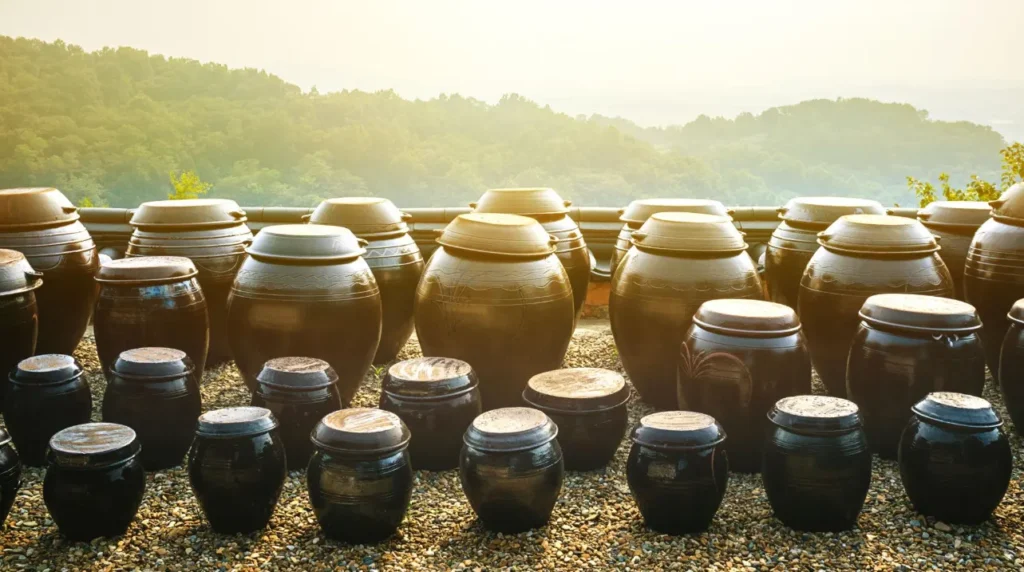
Yongchuan Douchi Powder Series (LSP-A / LSP-B)
Raw material: Yongchuan Douchi (永川豆豉)
Douchi — fermented black beans — represents a different fermentation tradition from the bean paste series. Where yellow bean paste systems produce smooth, balanced savory depth, Yongchuan douchi undergoes a distinct fermentation process that develops darker, more aged umami complexity and what the specification describes as “rich aroma and delicious taste” (香气浓郁,滋味鲜美).
The total nitrogen figures here are the highest in the range (≥2.0 g/100ml for both LSP-A and LSP-B), which means these products punch significantly above their addition weight in terms of umami delivery. They are also worth noting for their sodium chloride profiles: LSP-A reaches ≤45.0 g/100ml while LSP-B is notably lower at ≤25.0 g/100ml — a meaningful difference for sodium management in compound seasoning formulation.
LSP-A delivers balanced douchi aroma suitable for broader industrial application. LSP-B offers stronger fermented black bean identity and deeper cooked-food perception — the specification describes it as particularly suited to restaurant-style seasoning blends.
Application fit: Braised food seasonings, meat-based applications, hot pot bases, strong savory sauces, compound umami systems.
Product links:
Japanese Miso Powder (MS-A)
Raw material: Miso Paste (味噌粉)
Of all the products in this range, miso powder is one of the more familiar fermented seasoning ingredients for international food manufacturers. Miso is widely recognized through Japanese cuisine and is often associated with fermented ingredient familiarity, balanced savory depth, and traditional flavor development.
MS-A is documented as capturing “Japanese miso soy and rice aroma, sweet and refreshing taste, balanced salty-sweet flavor.” The total nitrogen at ≥1.4 g/100ml and particularly low sodium at ≤20.0 g/100ml make it one of the most formulation-flexible products in the range.
For plant-based food developers, miso powder deserves particular attention. Its combination of umami depth, fermented complexity, and recognized ingredient identity makes it an excellent flavor anchor for products that need to deliver savory satisfaction without animal-derived ingredients.
Application fit: Instant soup systems, plant-based foods, savory snacks, noodle seasonings, fusion savory sauces, clean-label compound seasonings.
Product link: Japanese Miso Powder MS-A
Fermented Bean Curd Powder Series (FRP-A / FRP-B)
Raw material: White Fermented Bean Curd (白腐乳) / Red Fermented Bean Curd (红腐乳)
Fermented bean curd powder is the most underutilized ingredient in this category for international food manufacturers — and arguably one of the most interesting.Fermented bean curd (腐乳) is tofu that has undergone secondary fermentation, typically with mold cultures and a traditional brine-based fermentation process. The result is a creamy, aged, complex fermented product with a flavor profile that combines soy umami, mellow fermented aroma, and rich mouthfeel enhancement. In food manufacturing, it can be used in hot pot dipping sauces, Cantonese-style savory systems, and braised-style seasoning applications.
FRP-A is based on white fermented bean curd (white tofu/white brine), producing a smooth and delicate flavor described as “Cantonese-style fermented bean curd aroma, smooth and delicate taste.” Total nitrogen ≥1.5 g/100mlFRP-B is based on red fermented bean curd (红腐乳), which uses red yeast rice (红曲) in the fermentation process, giving it a characteristic color, deeper flavor, and mellow fermented aroma notes. The product is positioned with a Northern-style character and smooth texture. Total nitrogen ≥1.3 g/100g.
Both products contribute mouthfeel enhancement and creamy umami that few other ingredients can replicate. For hot pot dipping sauce systems in particular, fermented bean curd powder provides the baseline that Cantonese-style sesame hot pot dipping sauces are built around.
Application fit:
- FRP-A: Hot pot soup bases and dipping sauces, plant-based systems, instant noodle seasoning, compound seasoning blends
- FRP-B: Hot pot bases, barbecue marinades, braised food seasoning, meat-oriented savory systems
Product links:
Sweet Bean Paste Powder Series (SFFP-A / SFFP-C)
Raw material: Sweet Bean Paste / Tianmian Sauce (甜面酱)
Sweet bean paste powder occupies a different functional space from the savory series. Where the products above are primarily umami and savory flavor contributors, the sweet bean paste powders focus on sweet-fermented aroma, smooth sweetness, and roasted bean character.
Tianmian sauce, also known as sweet bean paste, is a foundational condiment in Northern Chinese cuisine and is used in savory sauces, dipping sauce systems, and braised-style seasoning applications. The powder form documented here features “authentic Baoding Three Treasures sweet bean paste” as a key reference, reflecting Baoding-style fermented sauce traditions.
SFFP-A provides balanced sweet bean flavor for broader applications. SFFP-C delivers deeper roasted bean character and is positioned for premium bakery systems and traditional Asian dessert applications, including mooncakes.
Total nitrogen at ≥1.0 g/100ml and sodium at ≤38.0 g/100ml (SFFP-A) / ≤20.0 g/100ml (SFFP-C) reflect the sweetness-forward rather than savory-forward formulation orientation.
Application fit: Bakery fillings, dessert systems, confectionery, ice cream flavoring, mooncake production, Asian pastry applications, dessert sauces.
Product links:
Part 3: Application System Design
Hot Pot Soup Bases
Hot pot is one of the most demanding applications for fermented flavor systems. Consumers expect deep savory development that stands up to dilution in boiling broth over an extended eating period. Thin or one-dimensional flavor profiles expose themselves quickly in hot pot contexts.
Effective hot pot seasoning systems typically layer multiple fermented sources:
- Spicy base: SP-C (doubanjiang) as the lead flavor element, providing Sichuan chili-fermented identity
- Umami backbone: LSP-B (douchi) at a lower rate to drive deep background umami
- Mouthfeel: FRP-A (white fermented bean curd) to contribute creaminess and rounding
- Depth note: FRP-B (red fermented bean curd) for complexity in richer, non-spicy formats
For reference, the standard documented recommendation for hot pot includes SP-C, SP-CA, FRP-A, FRP-B, and LSP-B — which aligns with this layered approach.
Instant Noodle Seasoning Packets
Instant noodle applications require flavor systems that perform under two conditions: as dry powder in the sachet and after hot water rehydration. Fermented powders generally perform well in both states, but the rehydration behavior of different products varies.
Douchi powder (LSP-A, LSP-B) tends to bloom rapidly on rehydration, contributing immediate umami impact — useful for formats where consumers expect fast flavor development.
Miso powder (MS-A) dissolves cleanly and contributes smooth, balanced flavor without strong regional character — making it particularly suitable for Japanese-style noodle formats or international product lines.
Bean paste powder (SP-A, SP-CA) gives you the savory foundation of fermented soy without dominating heat or strong regional character.
Plant-Based Savory Applications
Plant-based food development faces a consistent challenge: delivering savory satisfaction that matches or exceeds animal-derived formulations.
Fermented paste powders address this on multiple levels simultaneously:
- Umami intensity: High total nitrogen products (douchi at ≥2.0) provide free amino acid complexity comparable to meat-based umami
- Mouthfeel: Fermented bean curd powder contributes creaminess that plant-based proteins often lack
- Flavor complexity: Fermentation-derived aroma compounds add the aged, cooked perception that makes savory food feel complete
- Ingredient story: Fermented soy ingredients carry positive consumer associations — traditional, plant-origin, craft-produced
Recommended combination for plant-based applications: MS-A (miso) as the lead flavor carrier, FRP-A for mouthfeel contribution, SP-A as a depth layer.
Part 4: Manufacturing and Quality Credentials
Processing Specification
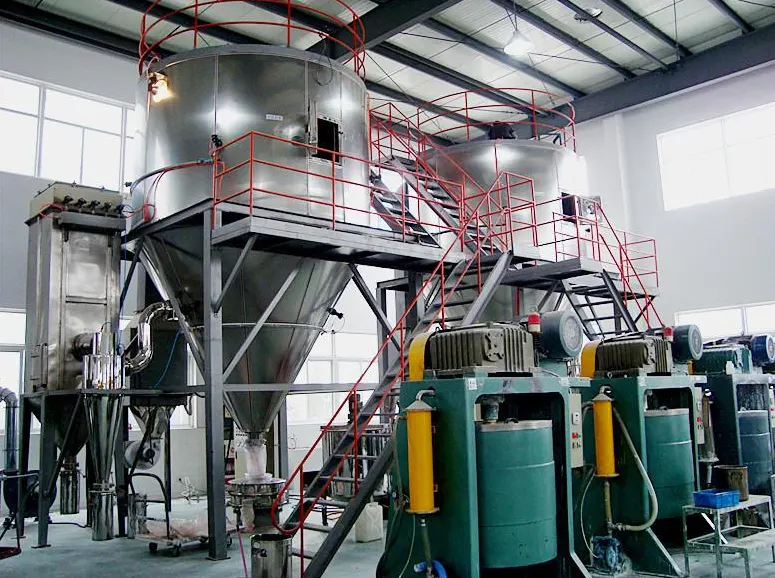
All products undergo spray drying following a standardized process: raw material selection → fermentation preparation → blending and microencapsulation → sterilization → spray drying → powder stabilization.
The microencapsulation step is worth noting. For high-aroma fermented systems — particularly douchi and doubanjiang — microencapsulation helps lock volatile aromatic compounds that would otherwise be lost during spray drying. This directly affects the sensory performance of the finished powder.
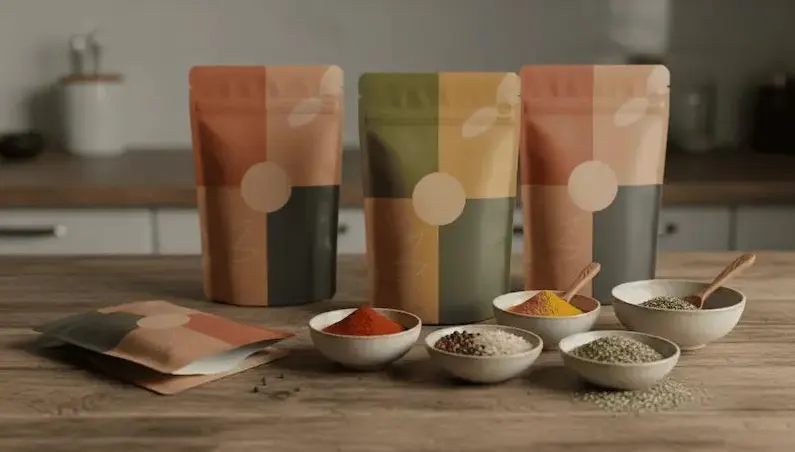
Standard packaging: High-strength cardboard cartons with double-layer PE inner bags, available in 1×10kg or 2×10kg per carton. Appropriate for ambient temperature logistics and standard dry goods warehousing.
Shelf life: 12 months under conditions of ≤25°C, ≤60% relative humidity, sealed after opening.
Quality Certifications
Qianxuan Food holds ISO 22000 (Food Safety Management Systems), ISO 9001 (Quality Management Systems), Halal certification, and HACCP certification.
For export-oriented food manufacturers sourcing from China, certification and documentation should be confirmed according to the selected product model, batch, and destination-market requirements. For markets where Halal documentation is required, buyers should request current product-level documents and confirm that the intended application meets local import and labeling requirements.
OEM and Custom Development
The company supports both standard ingredient supply and customized savory system development for:
- Seasoning manufacturers
- Sauce factories
- Instant food producers
- Snack brands
- Foodservice suppliers
- OEM food development companies
For manufacturers with specific regional flavor briefs — Sichuan-style, Cantonese-style, Japanese-style, fusion hybrid systems — custom development capability with a fermented paste specialist is significantly more efficient than trying to source and blend individual commodity ingredients.
Part 5: Sourcing Considerations
When evaluating any spray-dried fermented paste powder supplier, the following questions are worth asking directly:
1. Can you provide batch-to-batch total nitrogen consistency data?
Total nitrogen variation between batches directly affects flavor intensity and seasoning formula stability. Request historical batch data rather than just a specification range.
2. What is your sodium content management process?
Salt content in fermented pastes varies naturally. Understanding how a supplier manages sodium consistency — particularly for products at the high end of the range like LSP-A — is important for sodium-managed formulations.
3. What is the raw material traceability?
For geographically significant products like Pixian Doubanjiang (origin: Pixian County, Sichuan) and Yongchuan Douchi (origin: Yongchuan, Chongqing), raw material source verification affects both authentic flavor character and product marketing claims.
4. What certifications cover export markets?
Beyond ISO 22000 and HACCP, market-specific documentation (EU food safety, FDA food facility registration, SFDA for specific markets) affects your ability to use ingredients without import compliance complications.
5. What is your minimum order quantity and lead time?
For industrial production planning, knowing MOQ and typical production lead times allows you to plan inventory cycles realistically.
Conclusion: The Strategic Case for Fermented Paste Powders
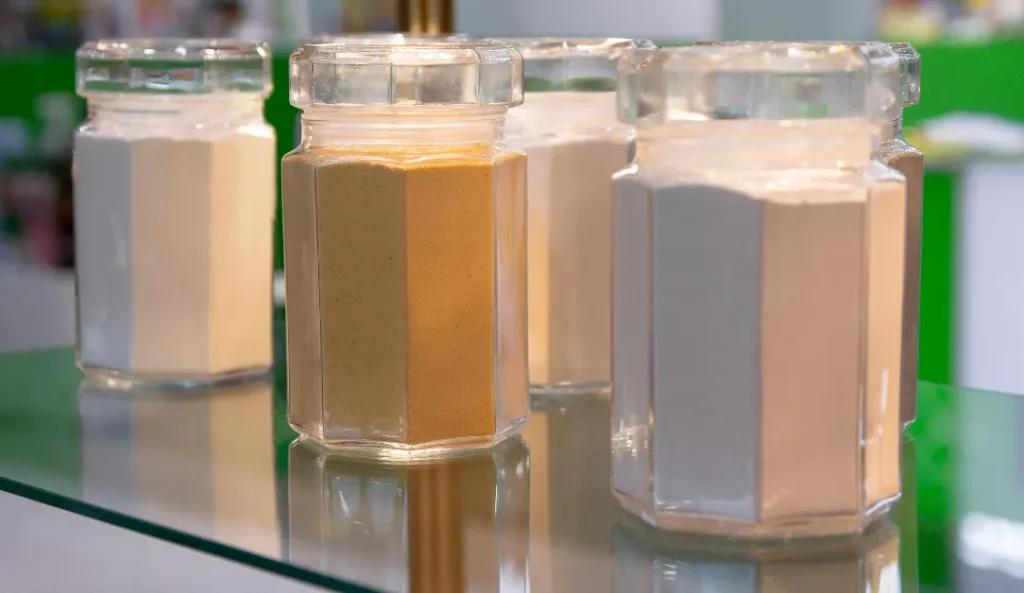
The shift toward authentic, fermentation-based flavor systems in global savory food development is not a passing trend. It reflects a convergence of consumer preferences — authentic regional flavors, perceived naturalness, umami depth — with a growing technical capability to scale those flavors into industrial production environments.
Spray-dried fermented paste powders sit at the intersection of traditional culinary heritage and modern manufacturing requirements. The specification data is measurable. The processing is standardized. The certifications are auditable. And the flavor payoff — when the right product is matched to the right application at the right addition rate — is genuinely difficult to replicate through synthetic flavor systems.
For broader ingredient planning across fermented and brewed seasoning systems, visit QX FOOD’s Fermented & Brewed Powders category page.
For manufacturers developing hot pot products, instant noodles, plant-based foods, or any savory application where authentic depth matters commercially, fermented paste powders deserve a serious place in your ingredient strategy.
Fermented paste powders are one pillar of the broader savory trend; our global savory flavor trends 2027 guide reviews the five development directions for the coming year.
External References
- Codex Alimentarius — Fermented Foods Standards (FAO/WHO)
- Institute of Food Technologists — Fermentation Science Resources
- Food Ingredients First — Fermented Flavors Coverage
- Food Business News — Savory Ingredient Trends
Related Product Categories
- Soy Sauce Powders
- Vinegar Powders
- Hydrolyzed Vegetable Protein (HVP)
- Compound Seasoning Powders
- Natural Plant Powders
- Fermented Paste Powder Series
- Red Fermented Bean Curd Powder FRP-H13
- Fermented Tofu Powder FRP-H14
- Yongchuan Douchi Powder LSP-H11
- Soybean Paste Powder SP-H09
- Broad Bean Paste Powder SP-H10
- Sweet Flour Sauce Powder SFFP-H12
FAQ
What are fermented paste powders used for in food manufacturing?
Fermented paste powders are used to add savory depth, fermented aroma, umami character, and regional flavor direction to sauces, hot pot bases, instant noodle seasonings, snack coatings, ready meals, dipping sauce systems, and OEM savory formulations.
What is the difference between bean paste powder, doubanjiang powder, douchi powder, miso powder, and fermented bean curd powder?
Each product type provides a different fermented flavor direction. Bean paste powder offers a balanced savory base, doubanjiang powder provides spicy fermented bean character, douchi powder gives deeper fermented black bean umami, miso powder supports balanced soy-rice savory notes, and fermented bean curd powder contributes creamy mouthfeel and mellow fermented depth.
How do total nitrogen and sodium chloride affect fermented seasoning formulation?
Total nitrogen helps buyers estimate savory intensity and fermentation-derived umami contribution. Sodium chloride affects salt balance, addition rate, and formulation headroom. When using multiple fermented powders in one seasoning system, buyers should calculate the combined sodium contribution before finalizing the formula.
What is the recommended addition rate for fermented paste powders?
The documented application range is generally 0.5% to 5% by product weight. A lower addition rate can support background fermented notes, while a higher addition rate can make fermented character more prominent. Final dosage should be adjusted according to the target flavor profile, application format, and sodium contribution.
Can fermented paste powders be customized for OEM seasoning projects?
Yes. For B2B projects, fermented paste powder systems can be discussed around target flavor direction, application type, sodium range, powder performance, packaging format, and export documentation needs. Final specifications should be confirmed by selected product model and project requirements.
What documents should B2B buyers request before bulk purchase?
Buyers should request the product specification sheet, COA, allergen information when applicable, certification documents when required, shelf-life and storage guidance, packaging details, and destination-market documentation based on the intended country or region.
Request Samples or Discuss a Custom Fermented Seasoning Project
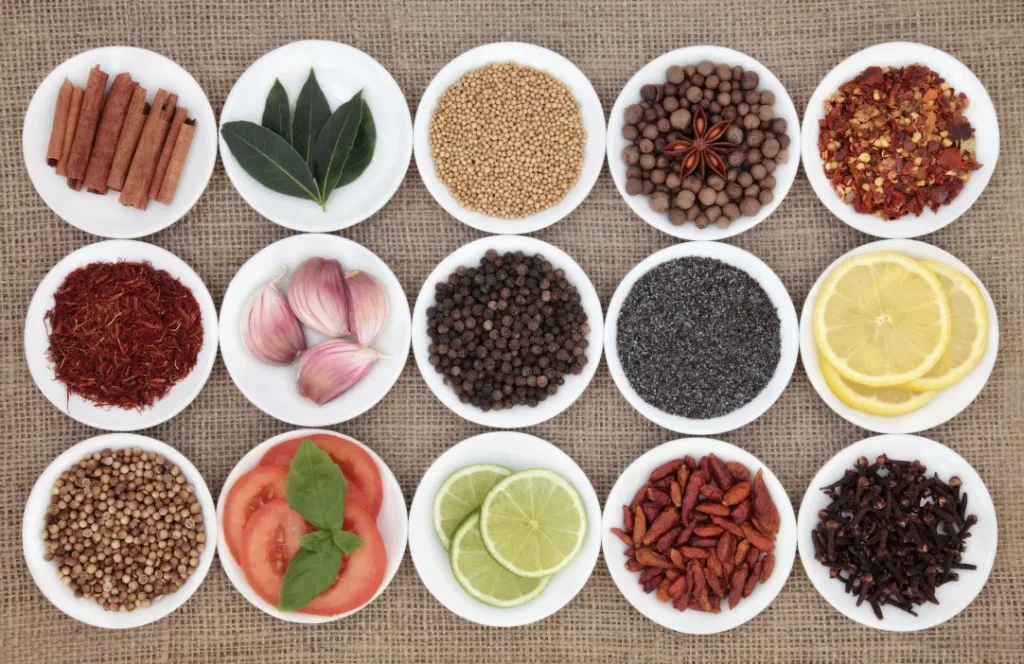
Share your target application, preferred fermented flavor direction, sodium range, packaging requirement, and estimated annual volume. Our team can recommend suitable fermented paste powder models for sample evaluation and OEM formulation discussion.
For model-level comparison, review the Fermented Paste Powder Series catalog before submitting your inquiry.