
Trends & News
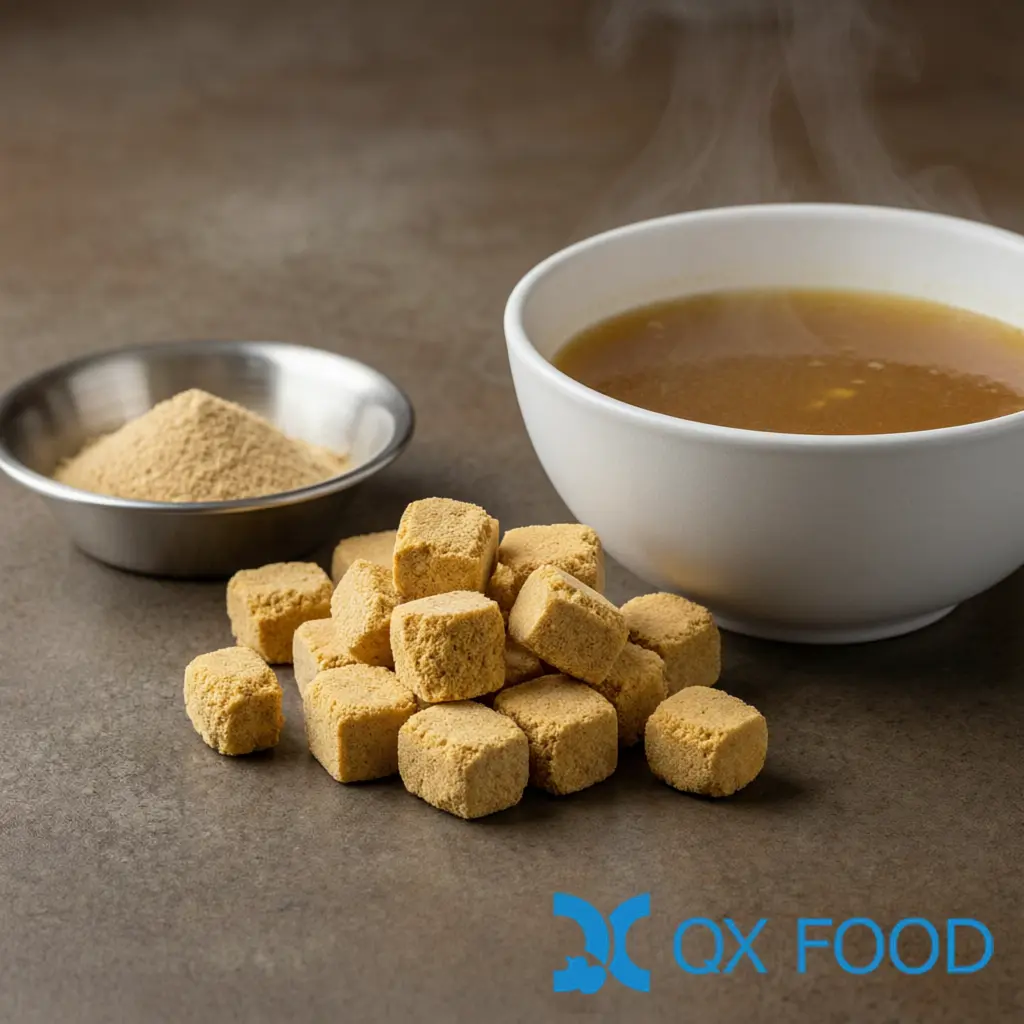
HVP in bouillon cubes and broth powders: the grade has to work in the dry concentrate and again after reconstitution - dose, salt and validation in the bowl.
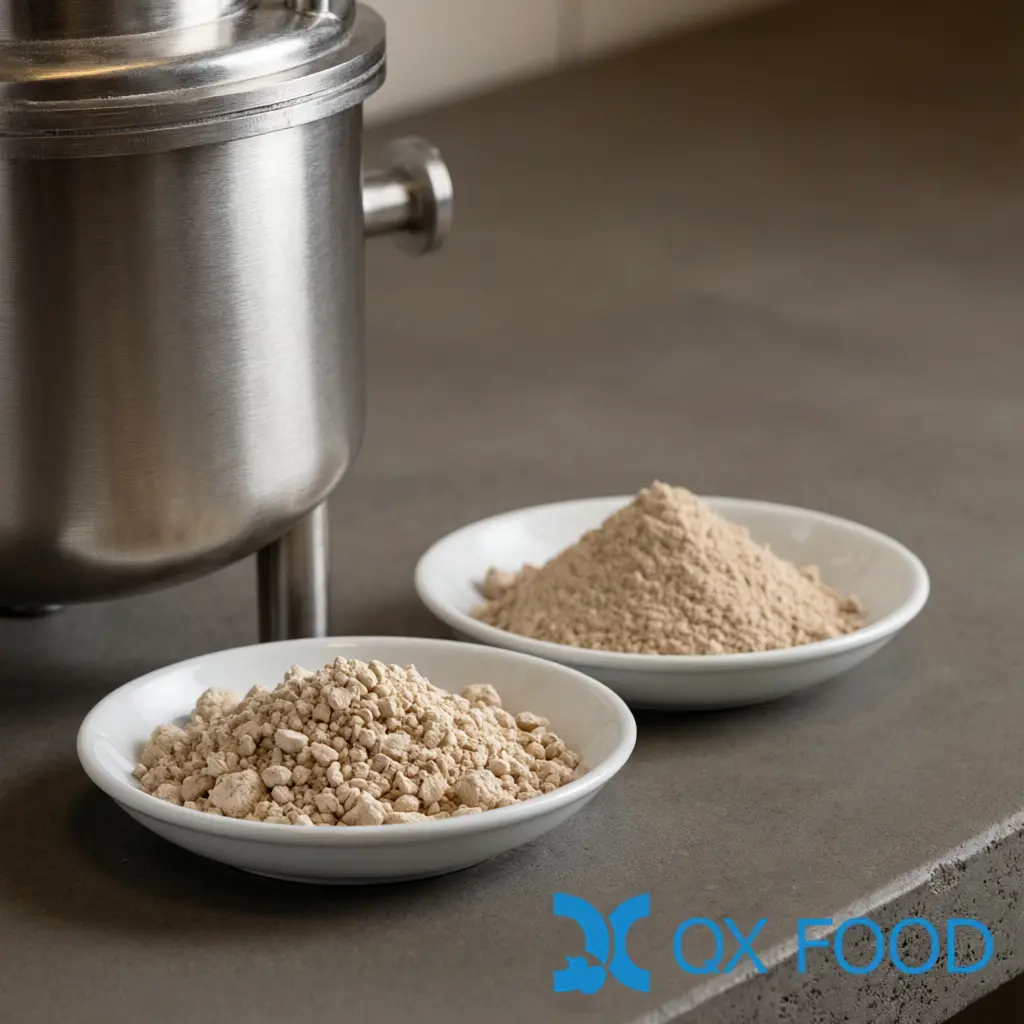
HVP production process: how acid-hydrolyzed HVP is made from protein feedstock to liquid and powder - hydrolysis windows, 3-MCPD control, and what COA values can and cannot tell you.
HVP in instant noodles: the sachet is not the finished product - grade and dose evaluated in the complete noodle system under the actual preparation conditions.
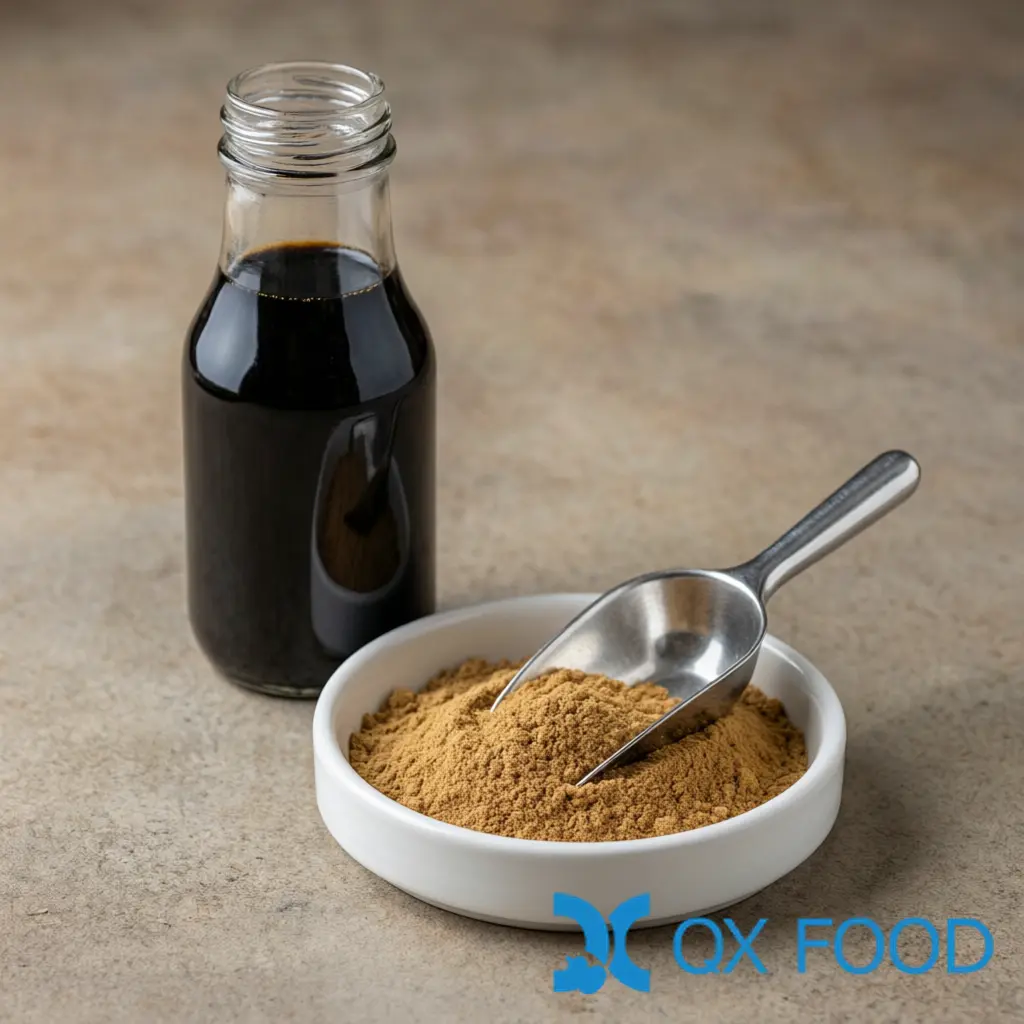
HVP liquid vs powder: form changes how the ingredient enters the process, but does not determine flavor performance - compare actual grades at equivalent finished-product results.
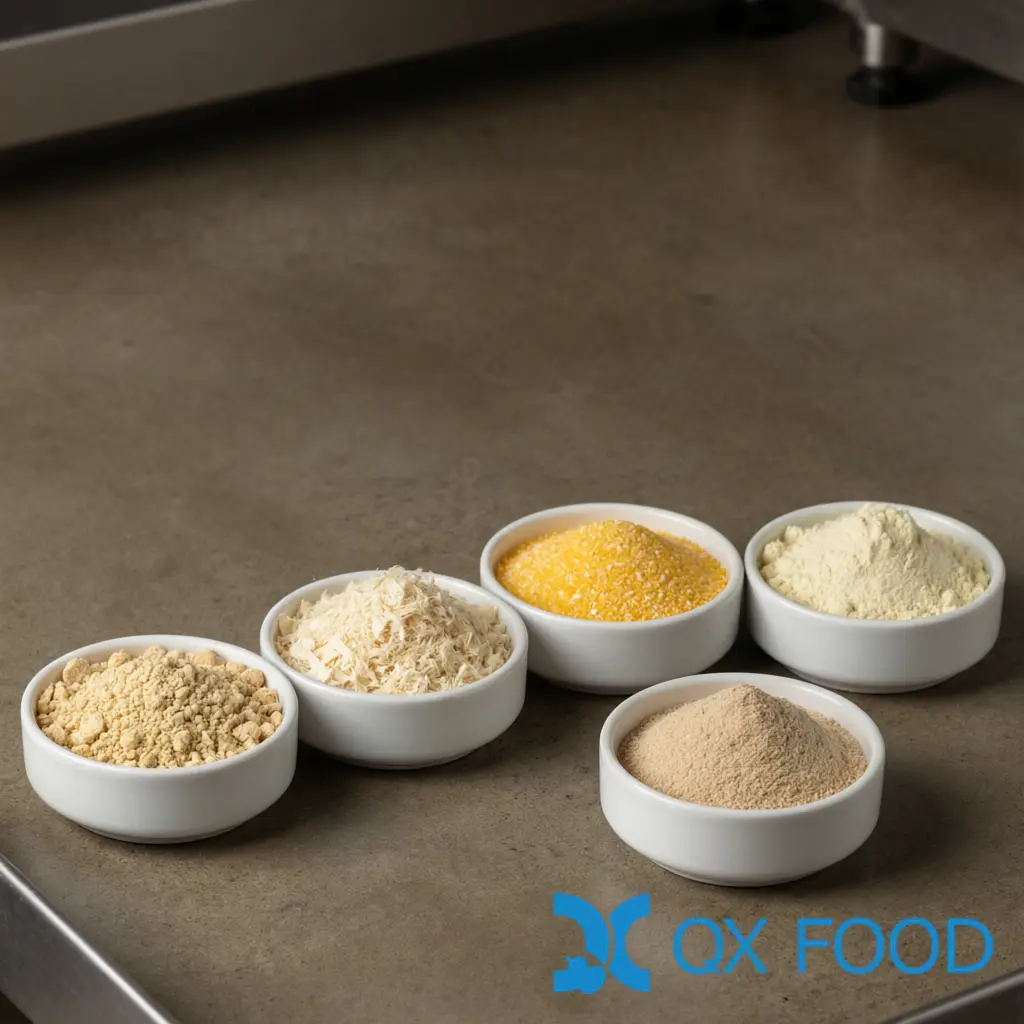
HVP raw material selection: source is a starting variable, not a flavor score - screen allergen, labeling and sourcing constraints first, then choose the grade in the finished application.
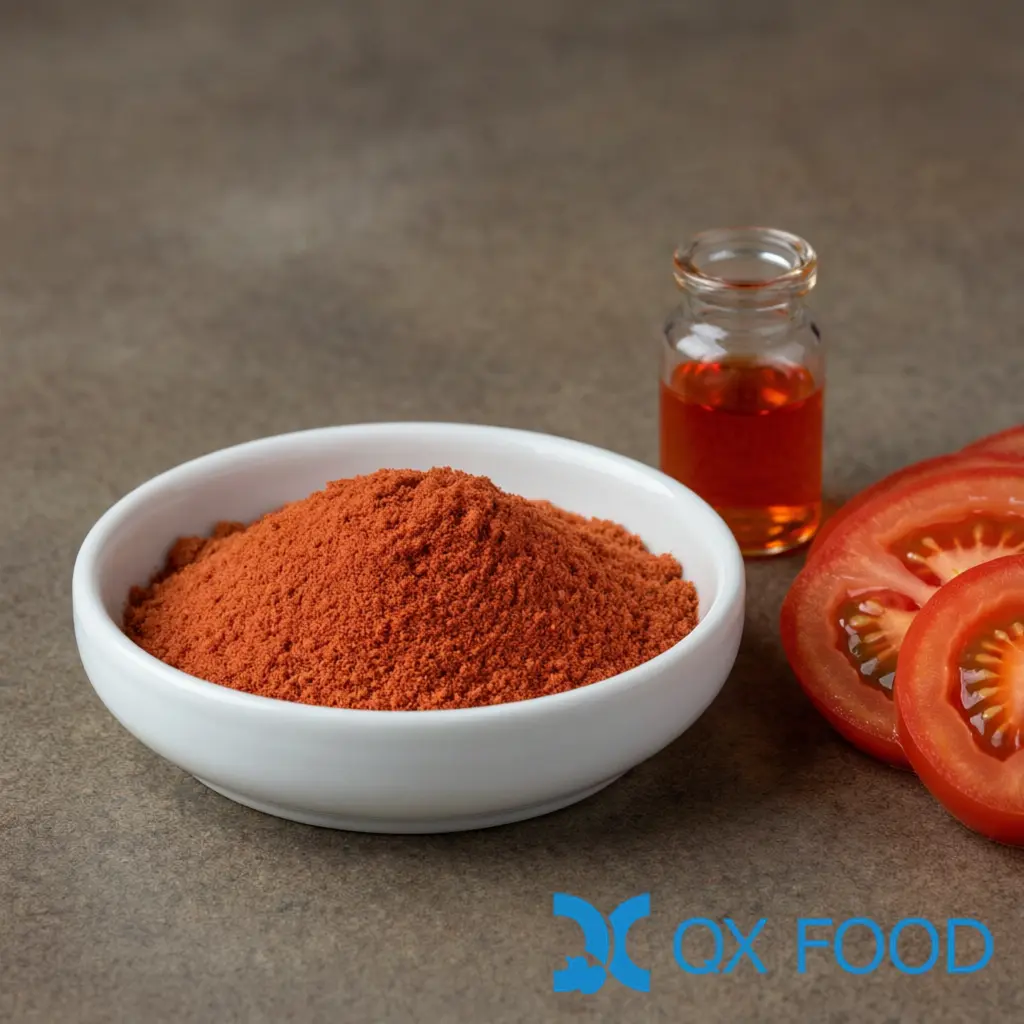
Lycopene food color: tomato powder is not the same as a standardized lycopene preparation - stability, formulation and regulatory guidance for natural red.
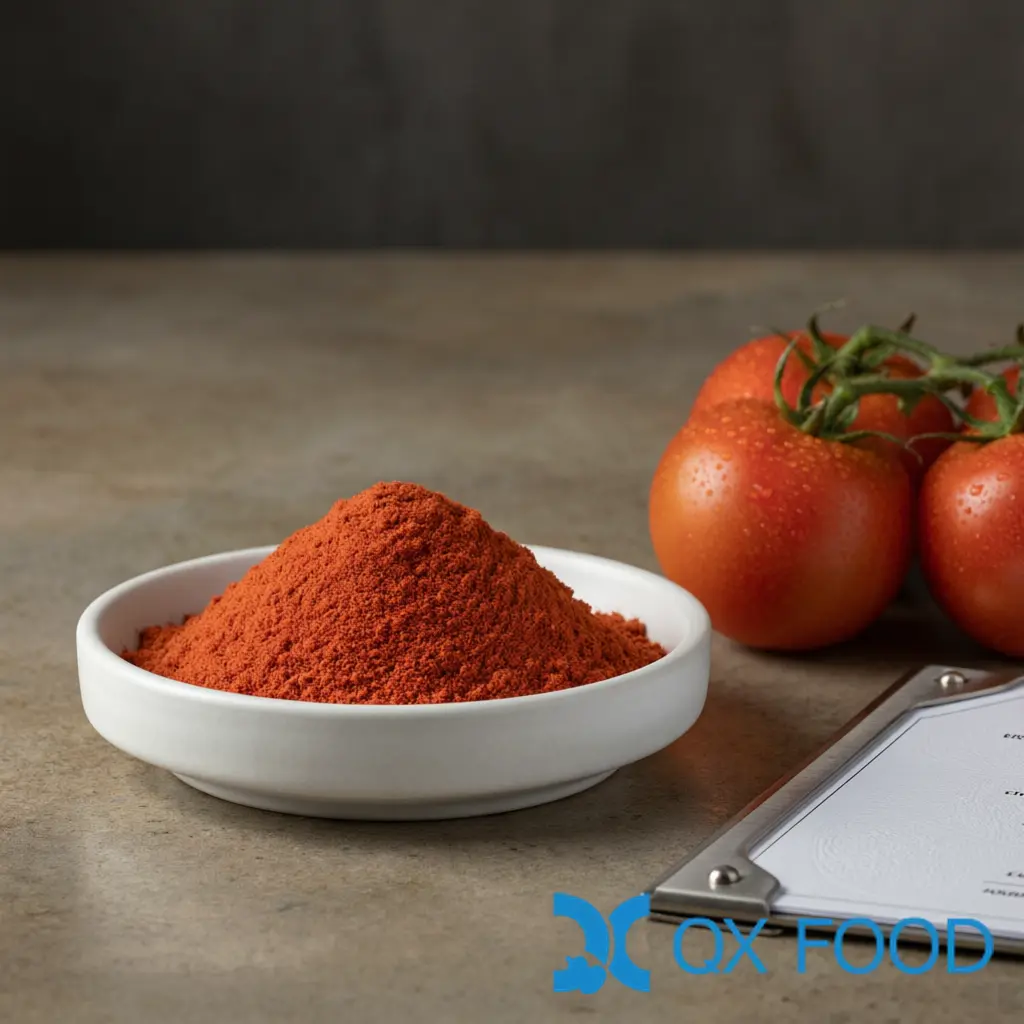
Organic tomato powder certification: destination market decides the route - what to verify for ASEAN, China, Japan, Brazil, Chile and the USDA-EU systems.
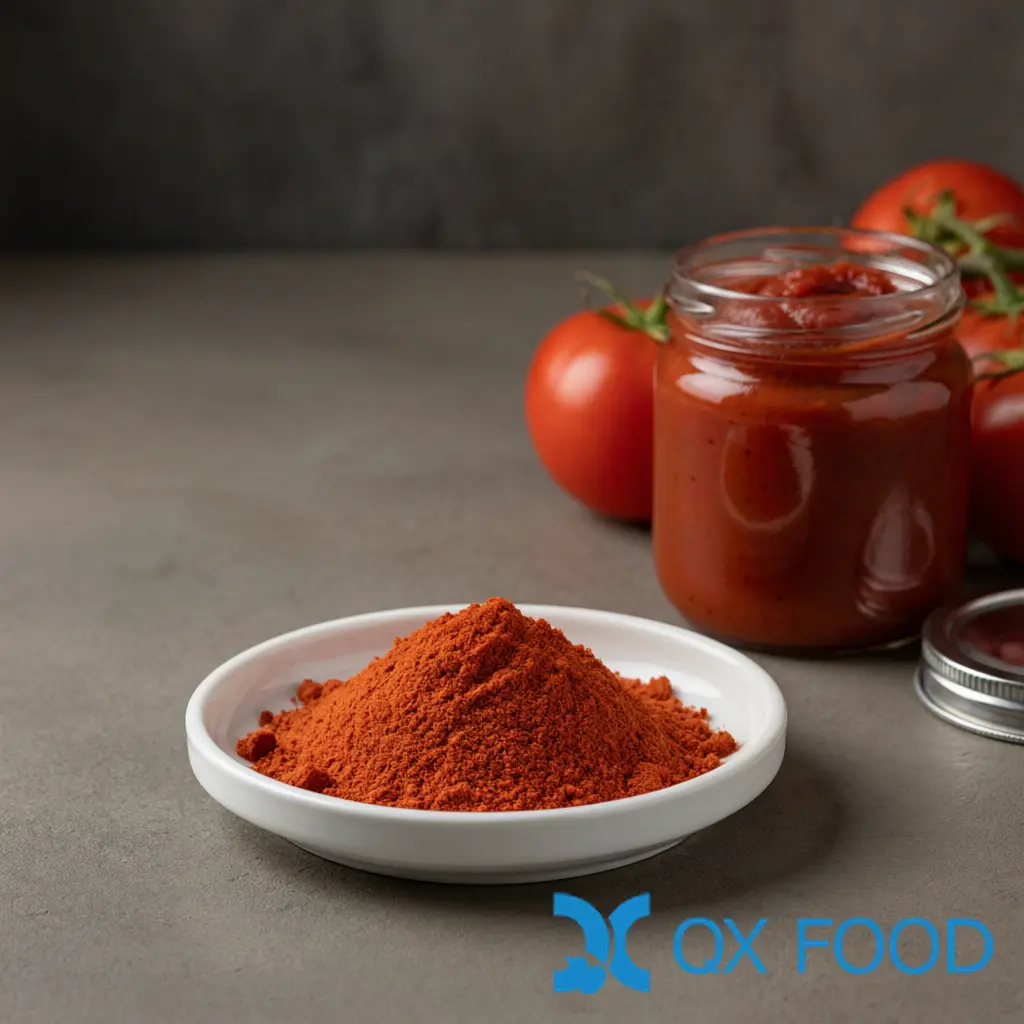
Tomato powder vs tomato paste: conversion is a grade-matching and mass-balance problem, not a universal rehydration ratio - pure tomato powder is not a seasoning powder.
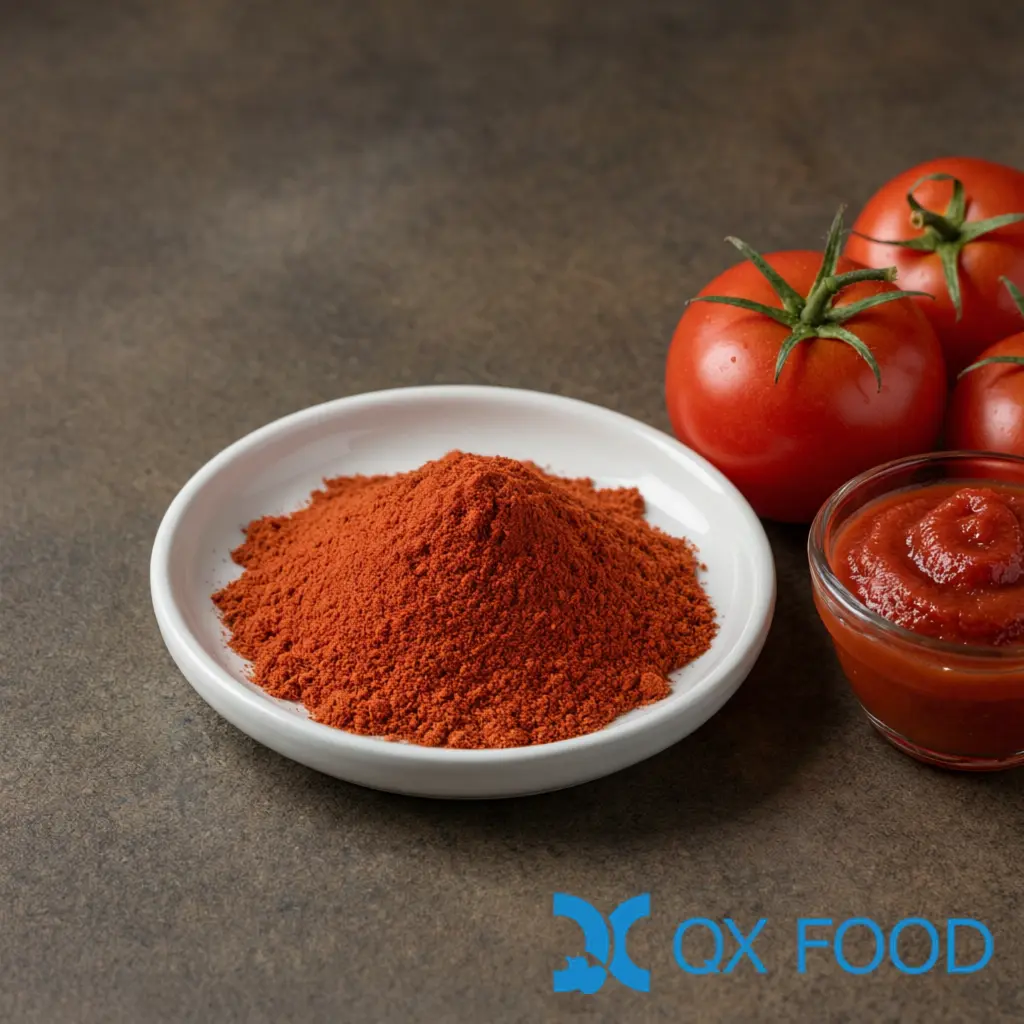
Tomato powder applications: start with the ingredient type - pure tomato powder, carrier-containing powder and formulated seasoning are not one category.