What Is Japanese-Style Brewed Soy Sauce Powder FSP-BH?
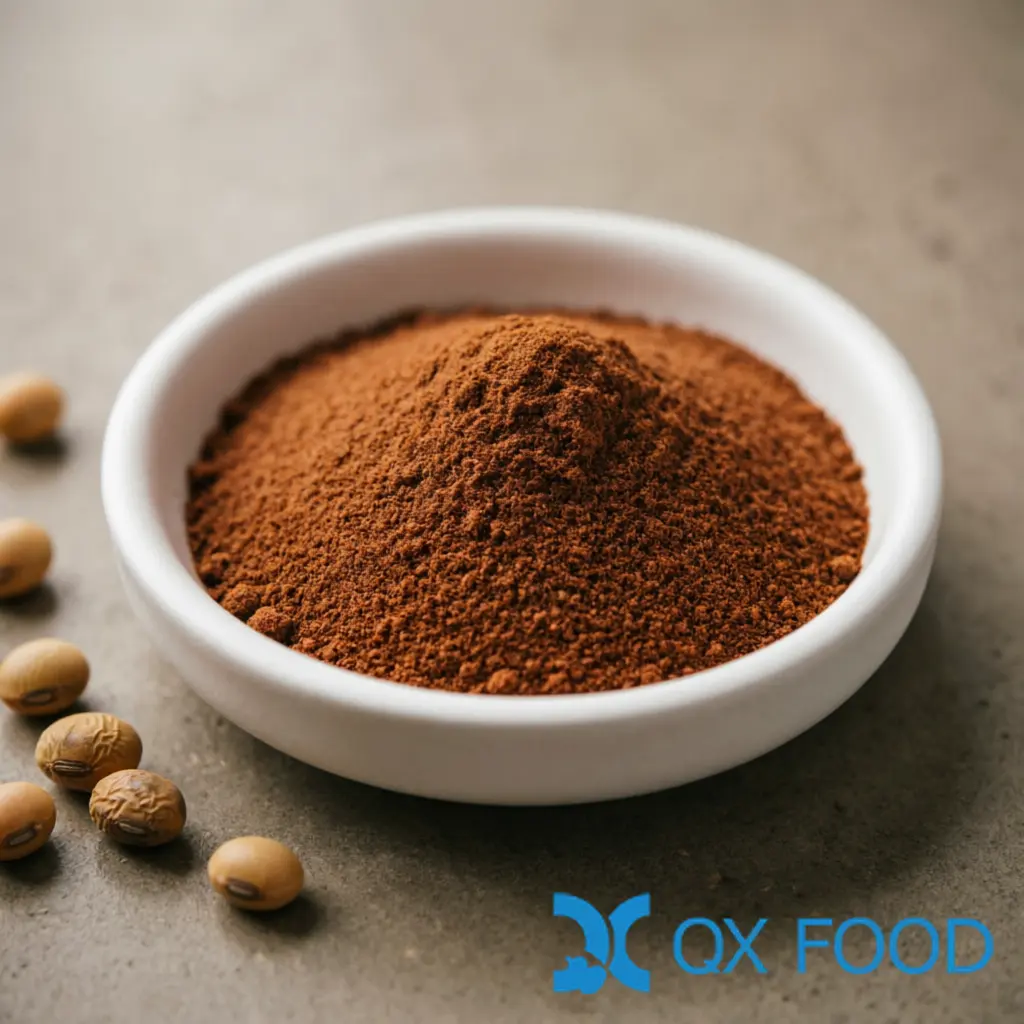
FSP-BH is a spray-dried powder made from multi-process fermented brewed soy sauce — specifically, Japanese-style high-salt diluted (koikuchi) soy sauce brewed through drip fermentation. After fermentation, the liquid soy sauce goes through blending, microcapsule embedding, sterilization and spray drying to lock the volatile ester and soy aroma compounds into a stable powder form.
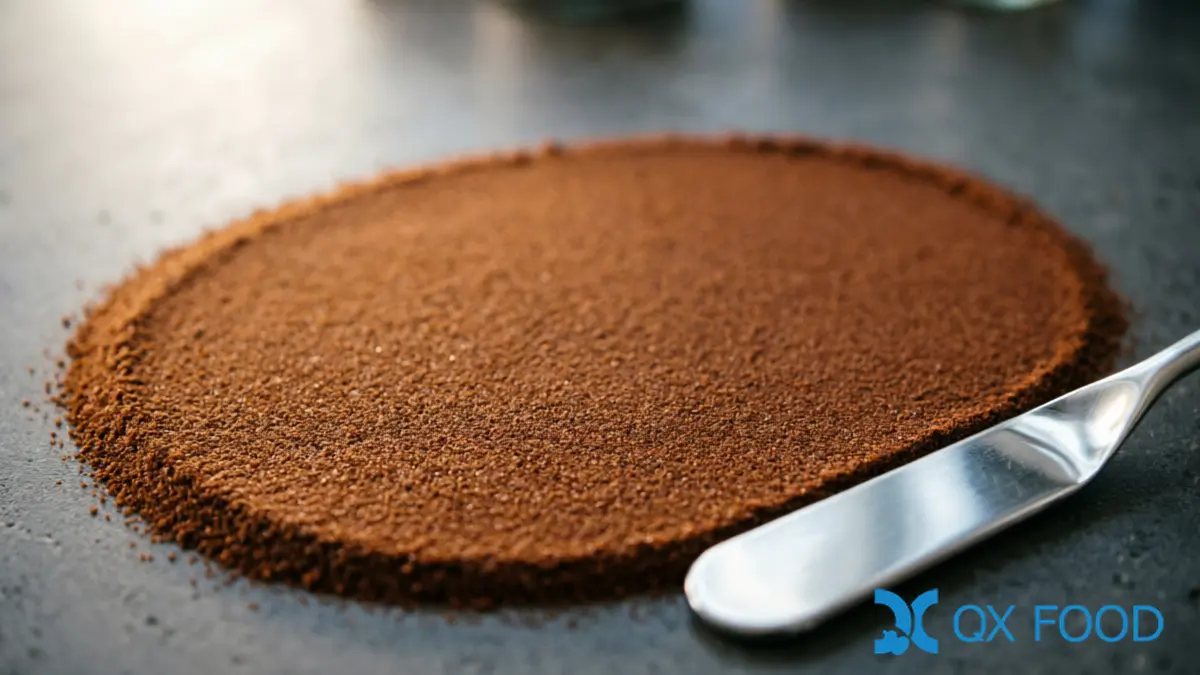
If you work with dry-mix seasoning systems and you need a soy sauce note that does not come from hydrolyzed vegetable protein or an acid-hydrolyzed shortcut, this is the relevant specification. The powder carries a reddish-brown hue (natural from the brewing process, not from added color), a fresh salty-mellow taste on the tongue, and a pronounced ester-driven soy aroma that holds through baking and extrusion. In practice, that means the soy character survives the process — something standard spray-dried soy sauce powders do not always pull off.
The nitrogen numbers tell part of the story: total nitrogen at 1.4 g/100g and amino nitrogen at 1.20 g/100g. For a powdered soy sauce ingredient, both values sit above what a basic drying run produces on its own; they reflect the fermentation depth of the starting liquid rather than post-process fortification. But numbers alone do not tell a buyer what to expect in formulation. What matters in practice is that the powder delivers recognizable Japanese soy sauce character in a dry system, without requiring a liquid soy sauce step in your production line.
Specification Data — Standard Grade
The table below reflects the standard factory specification. If you are comparing batches or developing a spec sheet for a project, these are the values that production works to.
| Parameter | Unit | Standard | Measured | Method |
|---|---|---|---|---|
| Moisture | g/100g | ≤8.0 | 4.95 | GB 5009.3 |
| Amino Nitrogen | g/100g | ≥1.0 | 1.20 | GB 5009.235 |
| Total Nitrogen | g/100g | ≥1.0 | 1.4 | GB 5009.5 |
| Sodium Chloride (NaCl) | g/100g | ≤36.0 | 33 | GB 5009.44 |
| Appearance | — | Fine powder, conforms to standard sample | Reddish-brown powder | Q/HKSP 0002S |
| Odor & Taste | — | Pure soy sauce flavor, no off-odor | Compliant | Q/HKSP 0002S |
| Coliforms | MPN/g | ≤0.3 | <0.3 | GB 4789.3 |
| Salmonella | /25g | Not detectable | Not detected | GB 4789.4 |
| Staphylococcus aureus | CFU/g | ≤100 | <10 | GB 4789.10 |
The measured values above are from a representative production batch. Each shipment comes with a batch-specific certificate of analysis. The moisture result (4.95% against an 8.0% limit) shows the moisture control headroom that spray drying builds in; the amino nitrogen reading (1.20 against a 1.0 minimum) reflects the starting liquid’s fermentation depth.
Japanese-Style vs Conventional Brewed Soy Sauce Powders
Not all brewed soy sauce powders behave the same way in dry systems. The table below is not a ranking — it is a practical reference for buyers who need to choose the right specification for a specific application.
| Dimension | FSP-BH (Japanese-style, this product) | Conventional brewed soy sauce powders |
|---|---|---|
| Fermentation type | High-salt diluted (koikuchi-style) drip brewing | Low-salt solid-state or conventional high-salt, varies by model |
| Key aroma descriptor | Rich ester + soy aroma, Japanese-style profile | Typically simpler soy/fermented note; ester intensity varies |
| Total nitrogen (measured) | 1.4 g/100g | Typically 0.8–1.2 g/100g across standard grades |
| Amino nitrogen (measured) | 1.20 g/100g | Varies; lower amino nitrogen is common in economy grades |
| Color (powder) | Reddish-brown | Light to medium brown; color depth varies by brewing base |
| Best-fit application signal | Snack coating, hot pot base, compound powder where soy character needs to register after processing | Broader; some grades work better in liquid-first systems, others in low-cost dry mixes |
If you are replacing a liquid Japanese soy sauce step in a dry process, or if you have benchmarked other powder grades and found the soy character getting lost after baking or extrusion, the nitrogen values and ester profile on FSP-BH are the two dimensions to test first.
How FSP-BH Works in Dry-Mix and Coated Applications
Because FSP-BH starts as a high-salt diluted drip-brewed soy sauce, the fermentation produces a more complex volatile profile than lower-cost brewing routes. The spray-drying step then encapsulates those volatiles — which is why the powder still carries a recognizable soy aroma even after months of storage, and why a snack coating or hot pot base dry mix does not go flat on the shelf.
In a snack-coating context, the reddish-brown color also works as a visual cue on the product surface: consumers expect a soy-seasoned snack to show some color depth. In hot pot base and compound powder blends, the salt content (around 33 g/100g) means formulators adjust the overall salt balance with FSP-BH in the recipe rather than treating it as a neutral carrier. This is not a limitation — it just means the seasoning system’s salt comes from the soy sauce powder itself, which is consistent with how liquid soy sauce behaves in wet kitchens.
Puffed Food and Snack Seasoning
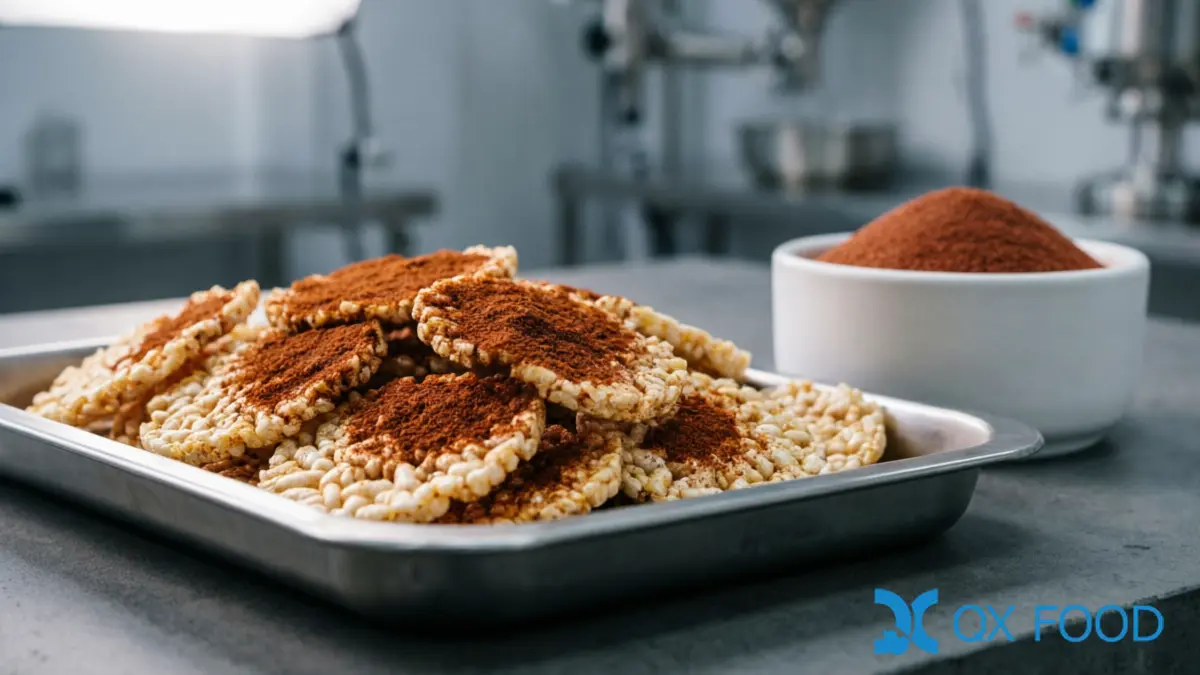
Dry-mix seasoning for puffed snacks — extruded corn curls, rice crackers, potato-based puffs — needs a powder that dissolves quickly in the oil or starch-based carrier sprayed onto the snack surface. FSP-BH at 2–5% of the seasoning blend provides the soy-sauce salt depth and a visible reddish tint that registers in the consumer’s first visual impression. The ester flavor notes survive the short post-coating warm-air drying step because the microencapsulation from spray drying protects them at those temperatures.
Hot Pot Base and Soup Stock Powders
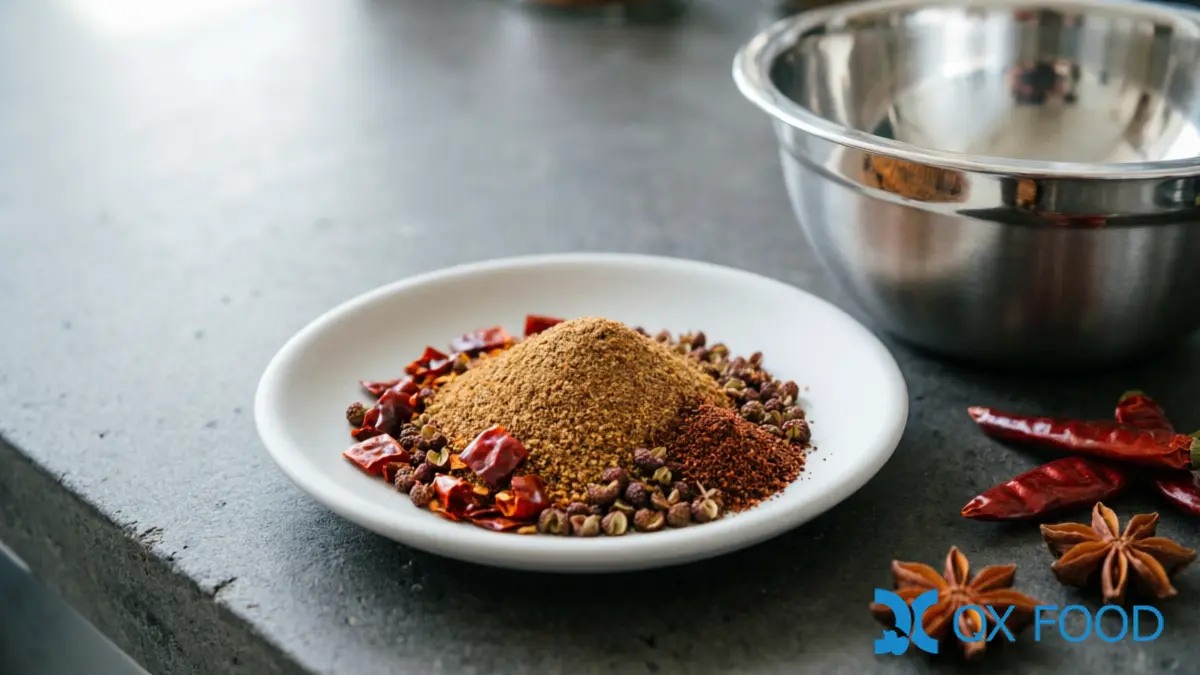
Hot pot base manufacturers work with oil-and-powder blends where the soy note must cut through strong spices and animal fats. FSP-BH at 5–10% in the dry-mix base provides enough soy character to anchor the flavor profile without requiring a separate liquid soy sauce input. For a mala (numbing-spicy) hot pot base, the ester aroma from FSP-BH acts as a counterpoint to the Sichuan pepper — the soy note stays distinct rather than getting buried. For a non-spicy bone-broth style base, it adds the fermented depth that a plain salt-MSG blend cannot deliver.
Compound Seasoning Powder for Meat and Savory Products
Compound seasoning powders — the all-in-one dry blends used in meat processing, sausage production and prepared meal kits — need a soy component that dissolves without leaving visible specks and blends evenly with other powdered ingredients. FSP-BH at 3–8% works in these systems. The fermented soy character helps mask the warmed-over notes that can develop in processed meat products during cooking and reheating, which is one of the reasons brewing-grade soy sauce powder gets specified over simple salt-and-hydrolyzed-protein blends in quality-driven applications.
Pickle and Preserved Food Seasoning
In pickled vegetable and preserved food seasoning blends, the soy sauce powder provides the savory-salty base note that fermentation brine would normally supply, but in a dry format. FSP-BH at 5–10% dissolves cleanly into the brine once rehydrated, and the ester notes complement the lactic acid character of fermented pickles without clashing.
Customization and Formulation Support
Standard specifications represent commonly requested configurations. For project-specific requirements, relevant parameters, color, flavor profile and formulation direction can be developed to target, subject to technical feasibility review, sample validation, agreed specifications and batch verification.
Customization directions that buyers typically explore with this grade include:
- Sodium chloride adjustment — the standard grade carries approximately 33 g/100g NaCl. For low-sodium applications, a parallel formulation with reduced salt can be evaluated under pilot-scale conditions. The amino nitrogen target remains the same; the salt reduction happens through an adjusted blending ratio, not through a change to the fermentation.
- Ester aroma intensity — the standard ester profile reflects the current fermentation blend. If your application needs a more pronounced or more muted ester character, the fermentation and blending parameters can be discussed during sample development. This is not a binary on/off switch — it is a tuning exercise that requires a target sample or a detailed aroma spec from your side.
- Color depth (reddish-brown intensity) — the powder color varies slightly across production batches because it comes from the brewing base, not from added caramel or synthetic color. If your application needs a tighter color specification (for example, to match an existing product line visually), this can be discussed with the QA team.
- Particle size / mesh specification — the standard powder passes through routine spray-drying output. If you need a finer or coarser granulation (for example, to match the dissolution rate of other powders in a multi-component blend), this can be adjusted during milling.
- Flavor profile and formulation direction — if your product brief calls for a specific Japanese soy sauce profile (e.g., usukuchi light-color style, tamari-style, or a blended shoyu direction), the starting fermentation and blending can be developed to target that direction, subject to the limitations of what spray drying preserves from the liquid profile.
The company has been working in the food seasoning and ingredient space for many years. Buyers can send samples or formulation briefs to the factory; the technical team develops against the stated market positioning, product formulation requirements, packaging specifications and certification standards. What we do not do is claim that any profile can be matched exactly without sample rounds — the correct way to approach this is to run a pilot batch, evaluate the result against your target, and iterate.
Packaging Options and Logistics
Standard packaging covers the most common purchase volumes. Custom packaging is available for OEM orders.
| Packaging | Material | Typical Use |
|---|---|---|
| 100 g Aluminum Foil Bag | Aluminum foil inner, sealed | Sample / trial order |
| 1 kg Aluminum Foil Bag | Aluminum foil inner, sealed | Small-batch R&D / pilot run |
| 10 kg Carton | Colorless PE inner bag + brown paper-plastic composite outer | Mid-volume production |
| 20 kg Carton | Colorless PE inner bag + brown paper-plastic composite outer | Standard bulk order |
| 25 kg Fiber Drum | Colorless PE inner bag + fiber drum | High-volume bulk / container shipment |
| Custom Packaging | Per buyer specification | OEM / private label |
Storage requirements: sealed container, cool dry place, temperature below 25°C and humidity below 60%. Once opened, re-seal immediately to prevent moisture uptake and cross-contamination. Under proper storage conditions the shelf life is 18 months from production date. The minimum order quantity (MOQ) for standard-grade FSP-BH is 1 metric ton.
Quality Systems and Documentation Support
The manufacturing facility operates under an integrated quality management system covering the production chain from raw material intake to finished-product release. The certifications that apply to production include:
- ISO 9001:2015 — Quality management system
- ISO 22000:2018 — Food safety management system
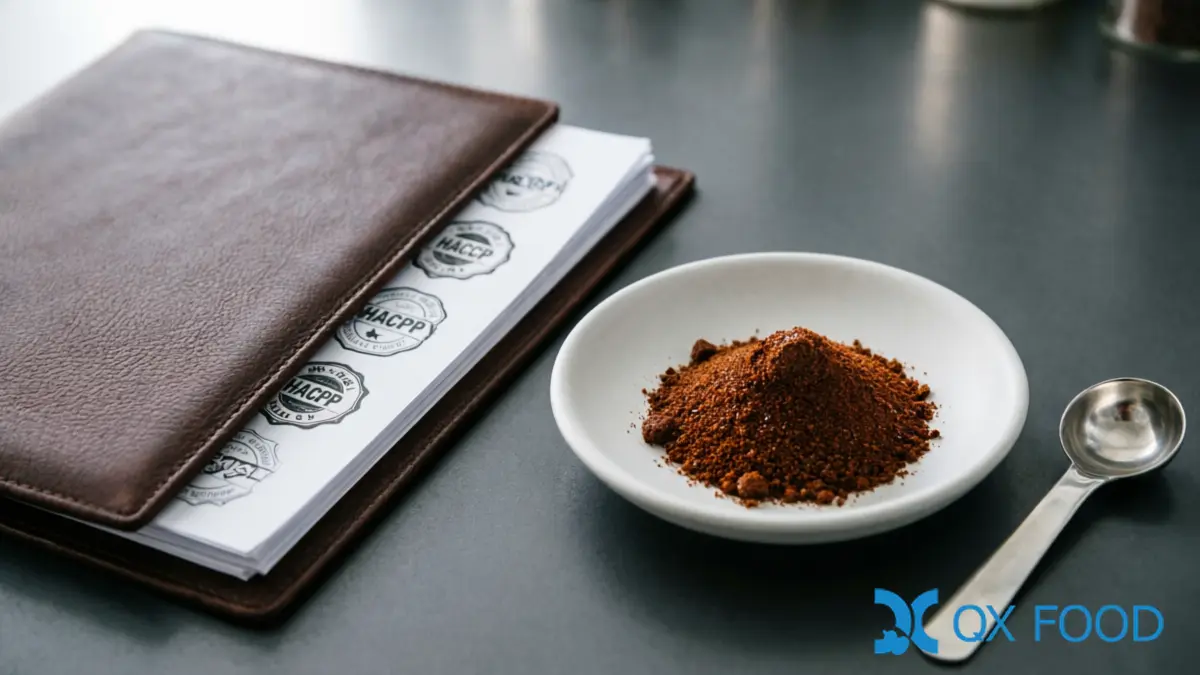
- HACCP — Hazard analysis and critical control points
- HALAL — Certified by an accredited halal certification body
The product standard used is Q/HKSP 0002S. Food additive usage complies with GB 2760. Raw material is single-origin brewed soy sauce from Hebei, no GMO and no known allergen declaration beyond soy (the base raw material). Each shipment is accompanied by a batch-specific certificate of analysis covering the parameters listed in the specification table above. Additional documentation — third-party lab reports, heavy metal screen results, pesticide residue test results — can be provided on request during the commercial discussion.
For buyers who need documentation packages for import clearance or customer-facing compliance, the standard quality dossier includes the COA, the manufacturing flow chart, the HACCP plan summary, and copies of active certifications. If your importing country requires a specific additional test (for example, radioactivity screening or a specific preservative panel), mention it early in the inquiry so the QA team confirms availability and lead time before sampling begins.
Related reading: How soy sauce powder anchors the umami base of compound seasonings.
Frequently Asked Questions
What makes Japanese-style brewed soy sauce powder different from standard brewed soy sauce powder?
The difference starts with the fermentation — Japanese-style (koikuchi) uses a high-salt diluted drip-brewing process that produces a more complex volatile ester profile than conventional low-salt solid-state fermentation. After spray drying, this shows up as a richer, more layered soy aroma that survives baking and extrusion. The nitrogen numbers (1.4 total, 1.20 amino) also tend to sit above standard grades because the starting liquid carries more fermentation-derived nitrogen. In practice, if you have tried a basic brewed soy sauce powder and found the soy character too flat after processing, a Japanese-style grade like FSP-BH is the logical next step to test.
Can I get FSP-BH with lower salt content?
Yes — sodium chloride reduction from the standard ~33 g/100g level is one of the customization directions we handle under pilot-scale conditions. The approach is through an adjusted blending ratio rather than a change to the fermentation itself, so the nitrogen and ester targets stay the same. The lower-salt version would be a separate specification developed against your target numbers, with sample rounds to confirm the result before commercial production. It is not a change you make to the standard grade by adding a note to a purchase order — it is a formulation project.
How does the ester aroma hold up in baked snacks versus fried snacks?
The ester compounds in FSP-BH are microencapsulated during spray drying, which gives them better thermal stability than you would get from a simple blend of liquid soy sauce and maltodextrin. In baked snacks (surface temperatures around 180–200°C for a short dwell time), the ester character remains detectable in the finished product. In fried snacks, the oil layer on the snack surface can partially mask the ester note, so formulators often run FSP-BH at the upper end of the recommended dosage range (closer to 5%) to compensate. A direct comparison test — same snack base, baked vs fried, same seasoning blend — is the most reliable way to confirm this for your specific product.
What is the minimum order quantity and what does the sampling process look like?
The MOQ for commercial orders is 1 metric ton. For first-time evaluation, we provide a 1 kg sample (aluminum foil bag) so your R&D team can run application tests. The sample is drawn from current production stock and comes with a batch COA. After sample evaluation, if you need a pilot batch with a customized parameter — adjusted salt, different particle size, tuned ester intensity — the technical team prepares a pilot run against your specification, and you evaluate that before committing to commercial volume. This three-step sequence — standard sample, pilot (if customized), commercial — is how most buyers work with this grade.
Is FSP-BH suitable for Halal-certified production lines?
Yes. The manufacturing site holds active Halal certification from an accredited body. The raw material is brewed soy sauce (soybean, wheat, salt, water) and the process uses no ethanol or animal-derived processing aids. The certificate is renewed on schedule and the current copy is available as part of the quality documentation package.
How should I store opened bags between production runs?
Re-seal opened bags immediately — moisture is the main enemy. The powder is hygroscopic, and even a few hours of exposure in a humid production environment can start clumping and degrade the ester aroma. If your production line does not empty a full bag in one shift, transfer the remainder to an airtight container with a desiccant pack. Under proper re-sealed storage at below 25°C and below 60% humidity, opened bags remain usable within the 18-month shelf life window, but we recommend using opened stock within 60 days for best aroma retention.
Can you provide a private-label or OEM version with our branding and packaging?
Yes — OEM and private-label arrangements are a standard part of how we work. The packaging (bag type, size, printed artwork, label language) can be customized to your specification. The product inside the bag can also be formulated to your target profile, within the customization directions described in the formulation support section above. OEM orders follow the same sample → pilot → commercial sequence, with the packaging artwork step added to the pilot phase.
What documentation do you provide for import clearance in my country?
The standard export documentation package includes: commercial invoice, packing list, certificate of analysis (batch-specific), certificate of origin (if applicable under trade agreements), and copies of active certifications (ISO 9001, ISO 22000, HACCP, Halal). If your importing country’s authority requires a health certificate, free-sale certificate, or a specific lab test report (for instance, a radioactivity screen or a preservative panel required by your national food safety agency), mention these requirements early — they affect lead time and document preparation. The QA team checks the specific requirements against what is currently available and confirms before the order proceeds.
Explore Our Fermented & Brewed Powder Range
FSP-BH sits in the Fermented & Brewed Powders family alongside soy sauce, vinegar and fermented paste powder grades. If you are evaluating multiple soy sauce powder specifications for different applications, the following models are the ones buyers most often compare side by side:
FSP-BF Ester Aroma Soy Sauce Powder — focused ester character for snack coatings and hot pot bases where aroma intensity is the primary buying signal.
FSP-CB Low-Salt Solid-State Soy Sauce Powder — lower salt route via solid-state fermentation, useful when the brief calls for reduced sodium without sacrificing brew depth.
FSP-CD Low-Salt Solid-State Soy Sauce Powder — another low-salt solid-state option; buyers often cross-compare FSP-CB and FSP-CD on color and amino nitrogen before deciding.
FSP-H03 Soy Sauce Powder for Instant Food — optimized for instant noodle seasoning sachets and dry soup base systems where rapid dissolution matters.
FSP-H06 Umami-Enhanced Soy Sauce Powder with I+G — includes I+G for extra umami lift, targeted at marinade and seasoning blend applications where glutamate synergy is part of the formulation.
For a broader view of the category, the Fermented & Brewed Powders category page lists the full range — soy sauce, vinegar and fermented paste powders — with application guidance.