
Trends & News
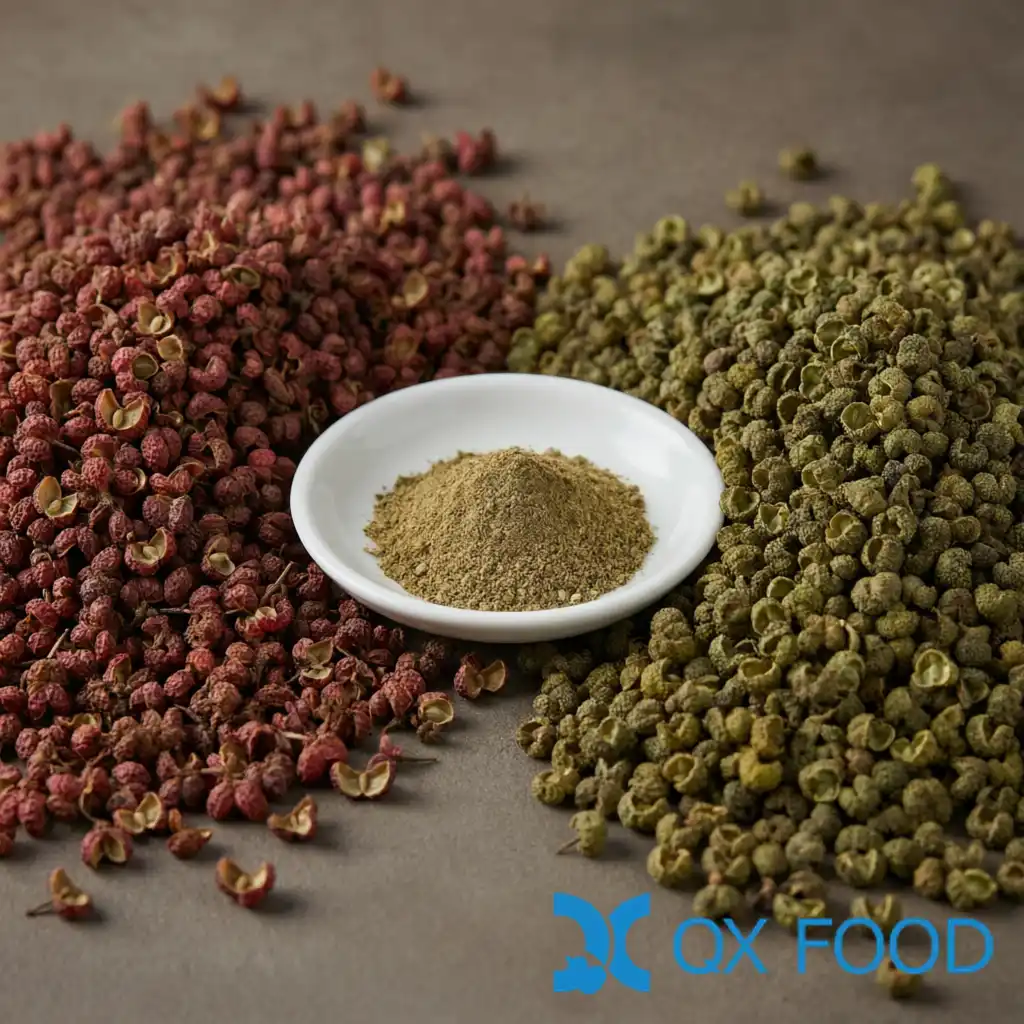
Sichuan pepper sourcing guide: red vs green varieties, numbing chemistry, whole/ground/oleoresin forms, quality checks and supplier questions for food manufacturers.
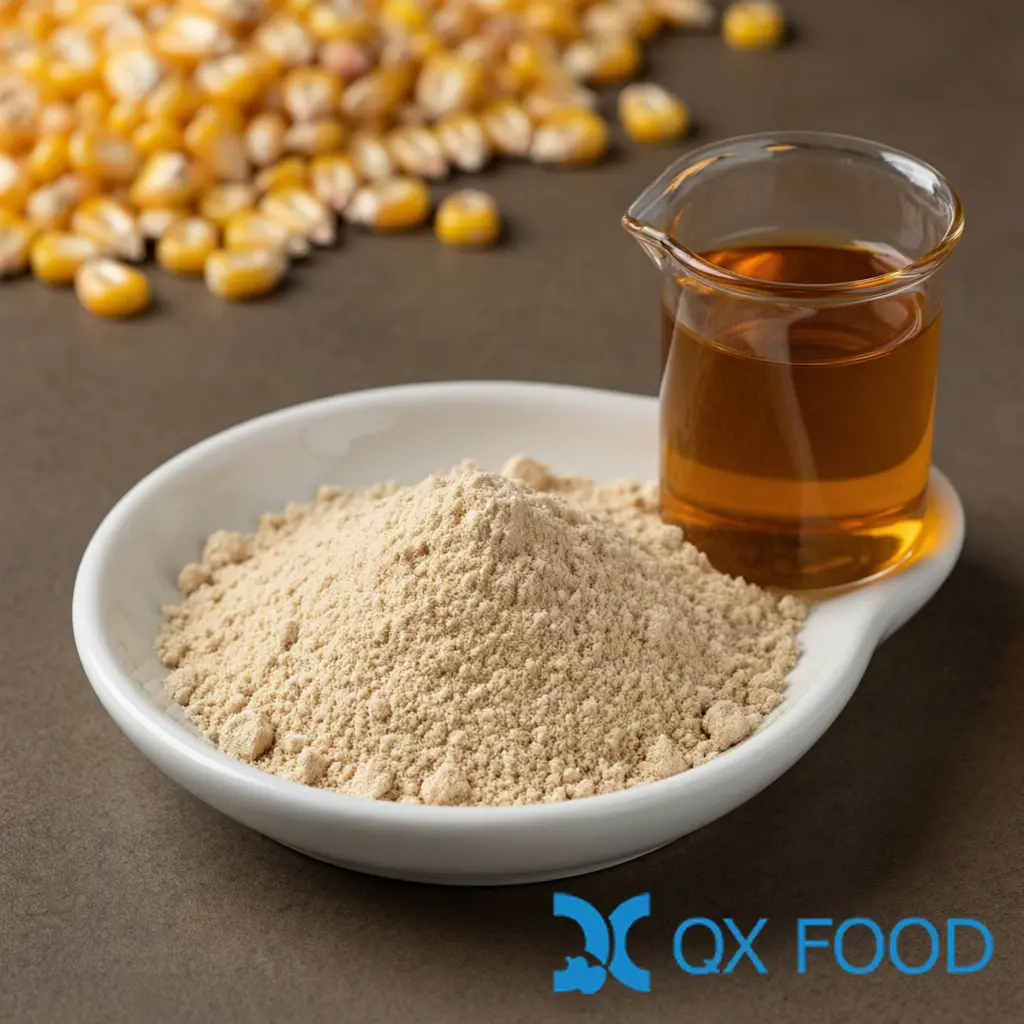
Hydrolyzed corn protein guide for food manufacturers: production process, soy-free umami profile, applications, COA specs and buying tips.
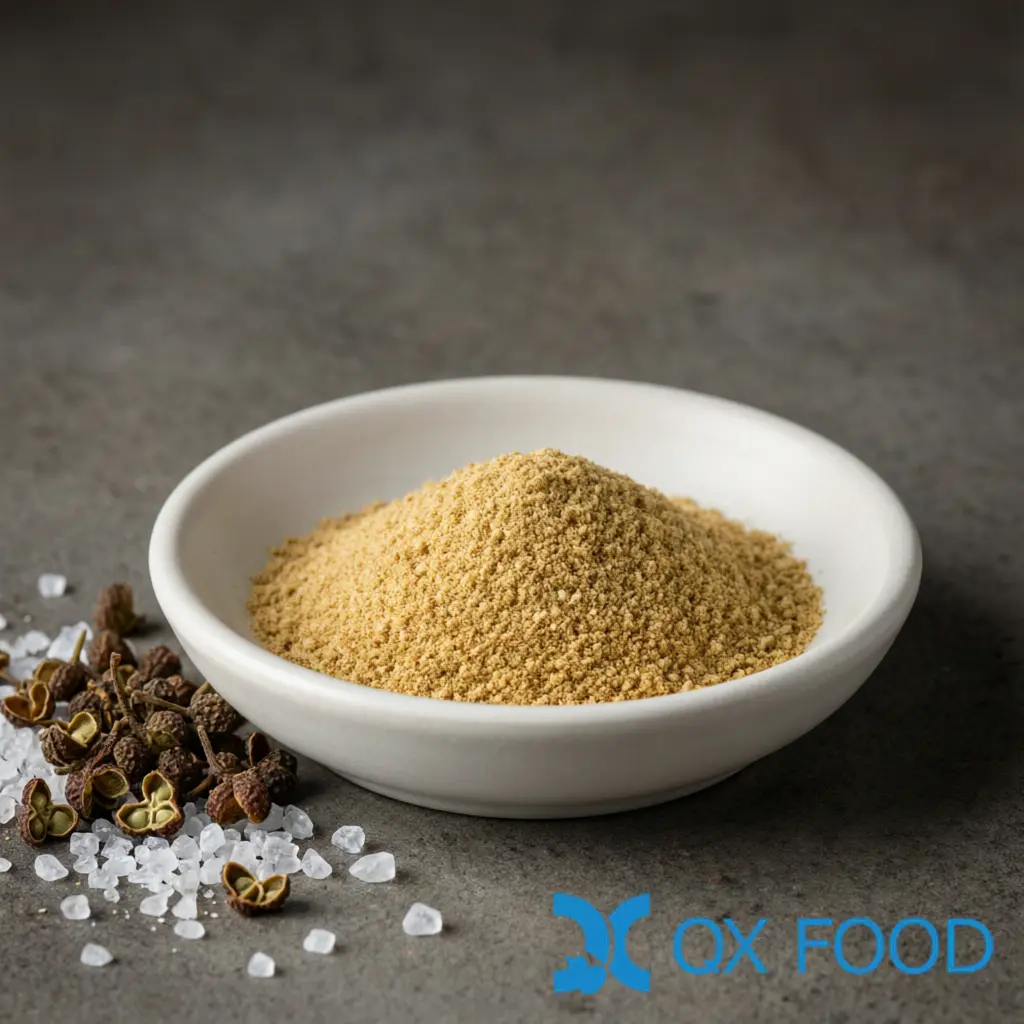
Pepper salt seasoning for snack and fried food manufacturers: Sichuan vs Cantonese styles, formulation benchmarks, adhesion and anti-caking specs, and sourcing checks.
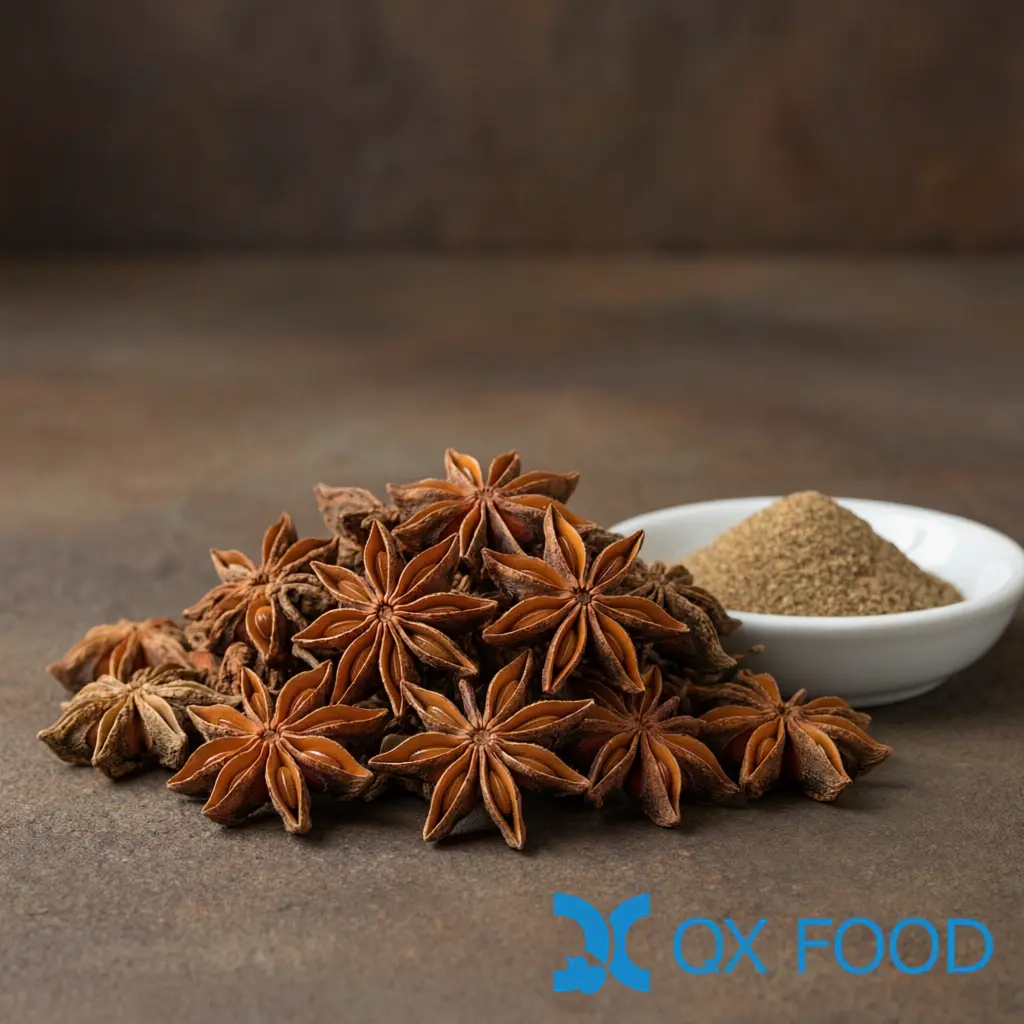
Star anise procurement guide for food manufacturers: quality grades, volatile oil specs, adulteration risk with Japanese star anise, and six supplier checks.
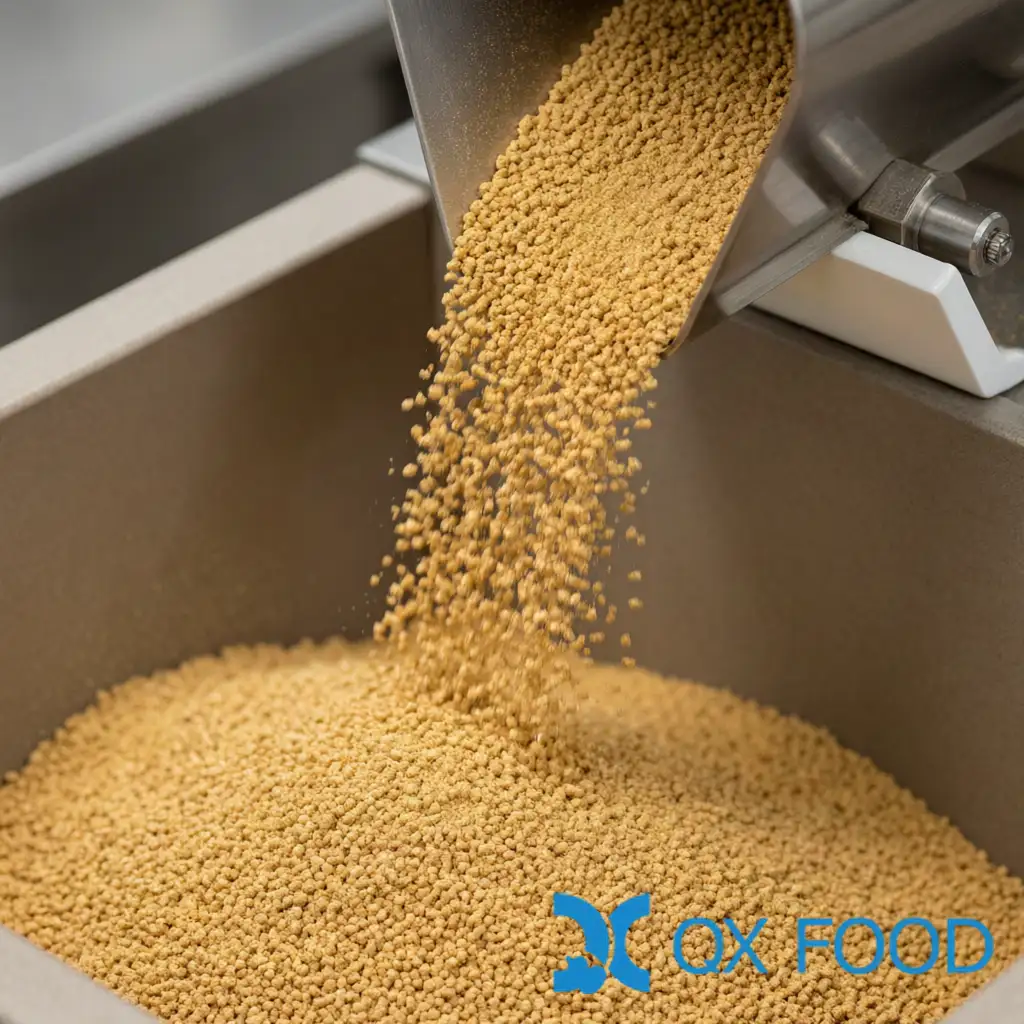
A seasoning does not need to be granulated simply because granules look easier to handle. Granulation becomes useful when a […]
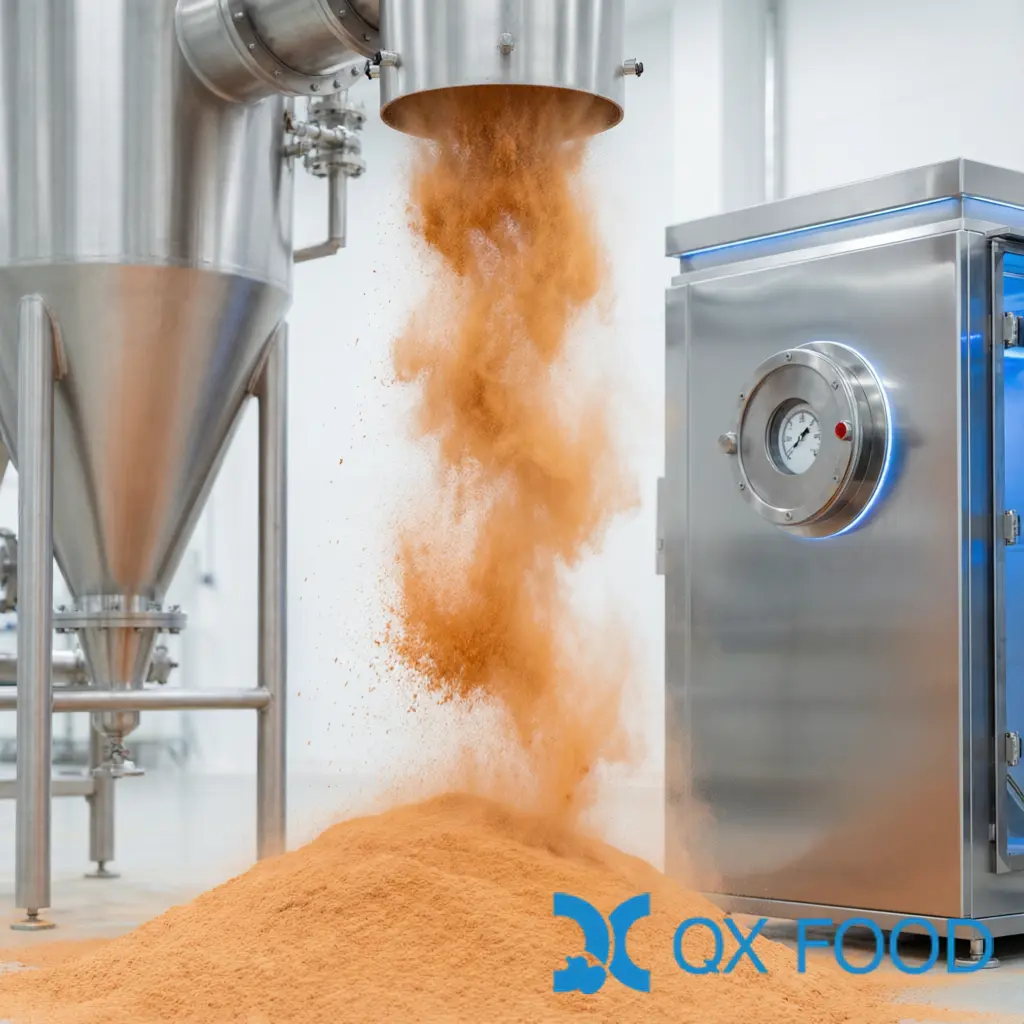
Spray drying and freeze drying can start with the same raw material and produce powders with very different structures, costs […]
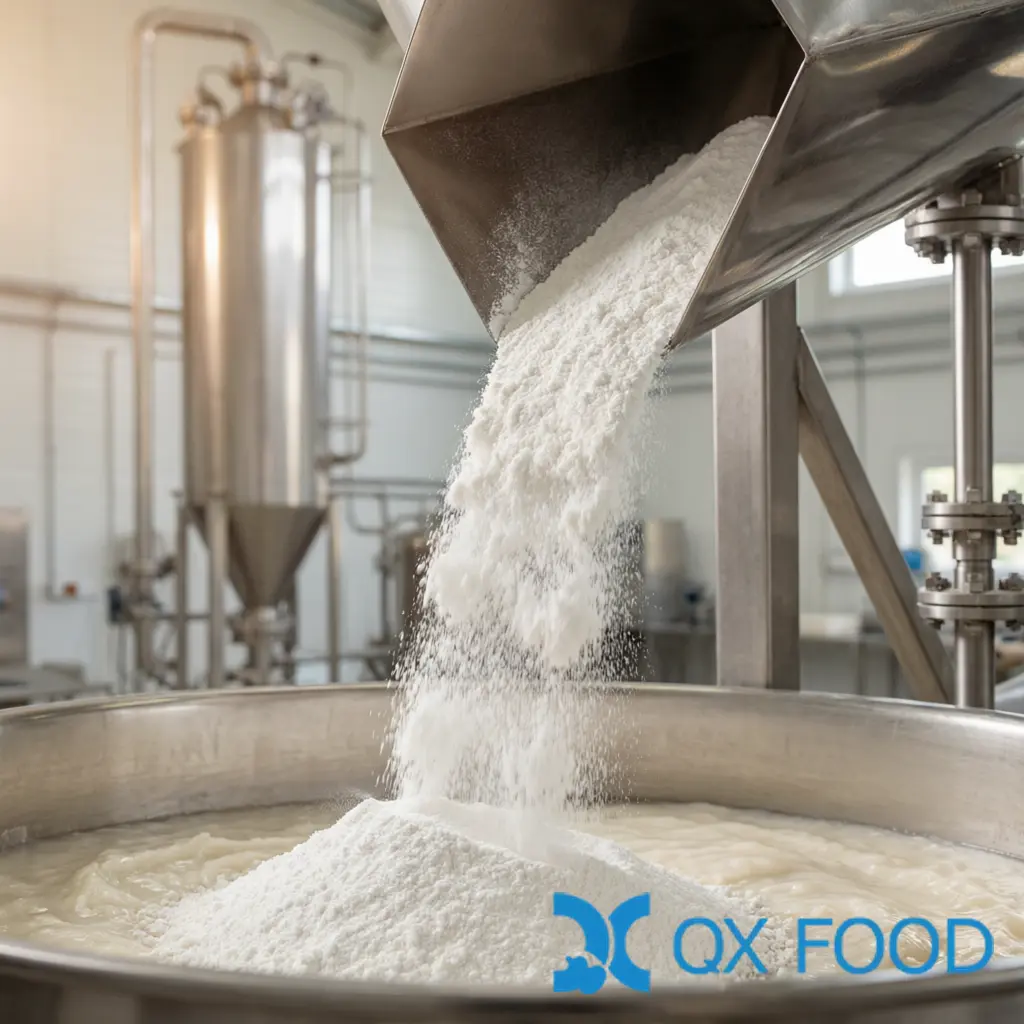
In maltodextrin spray drying, the carrier is often added because sugar-rich and acid-rich materials can become sticky as water is […]
Compound seasoning production process: eight-step flow, premix science, segregation control, sieving and metal detection CCPs and manufacturer evaluation.
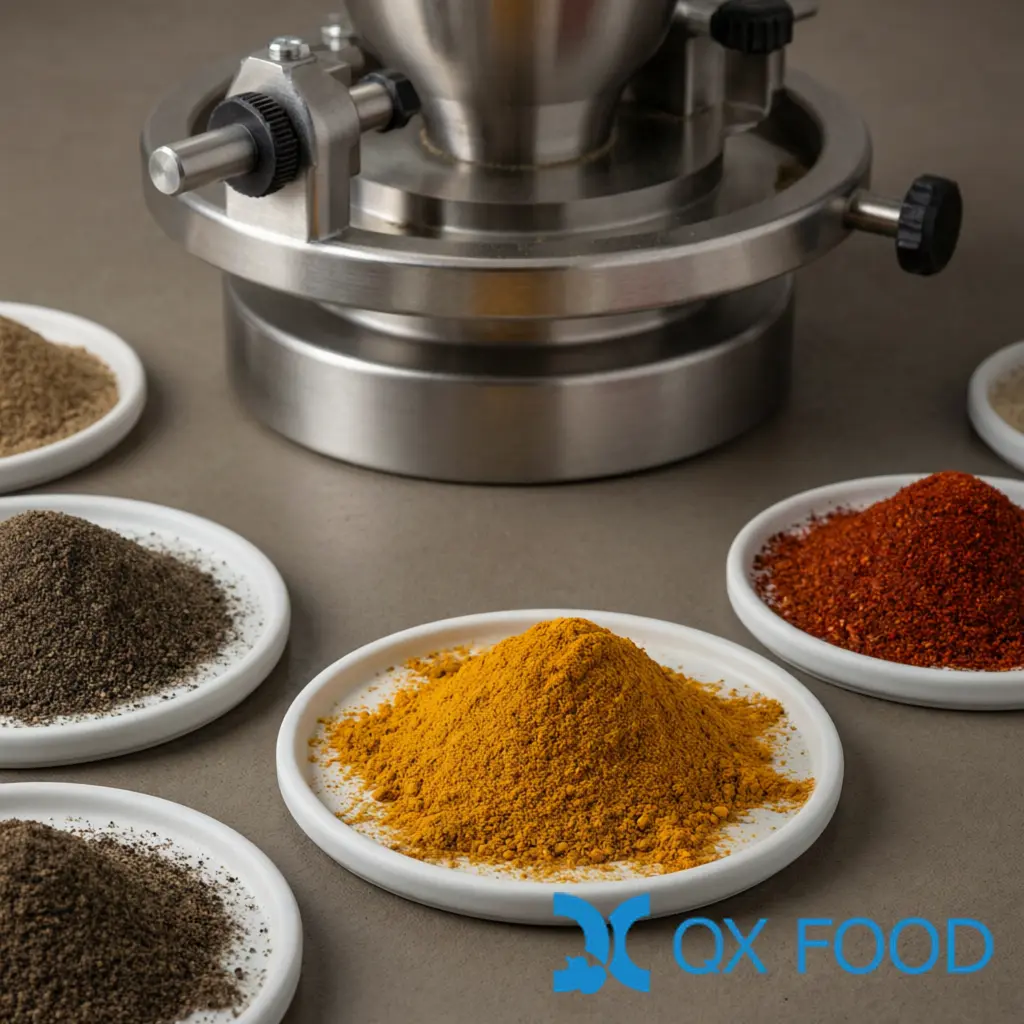
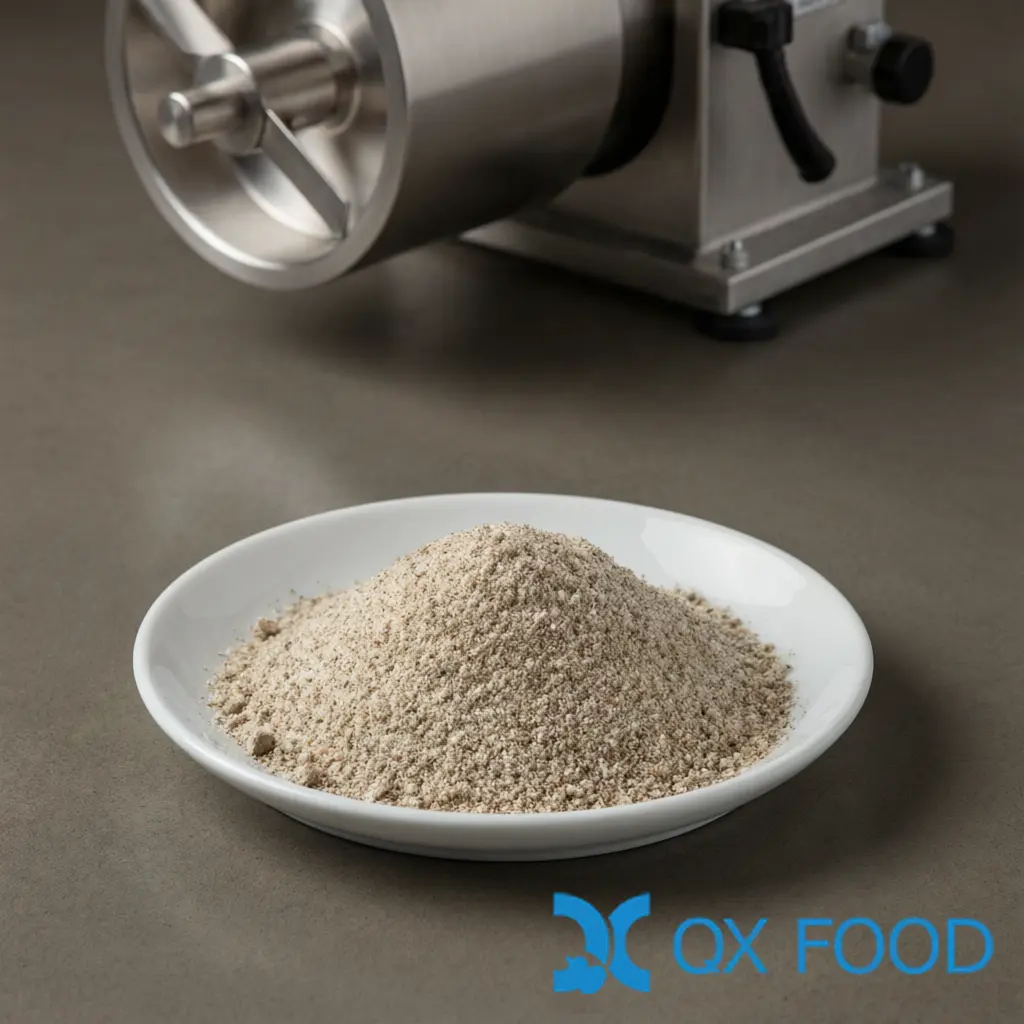
Spice grinding process explained: grinding methods, mesh sizes, flavor release, quality control points and ground spice supplier evaluation.