
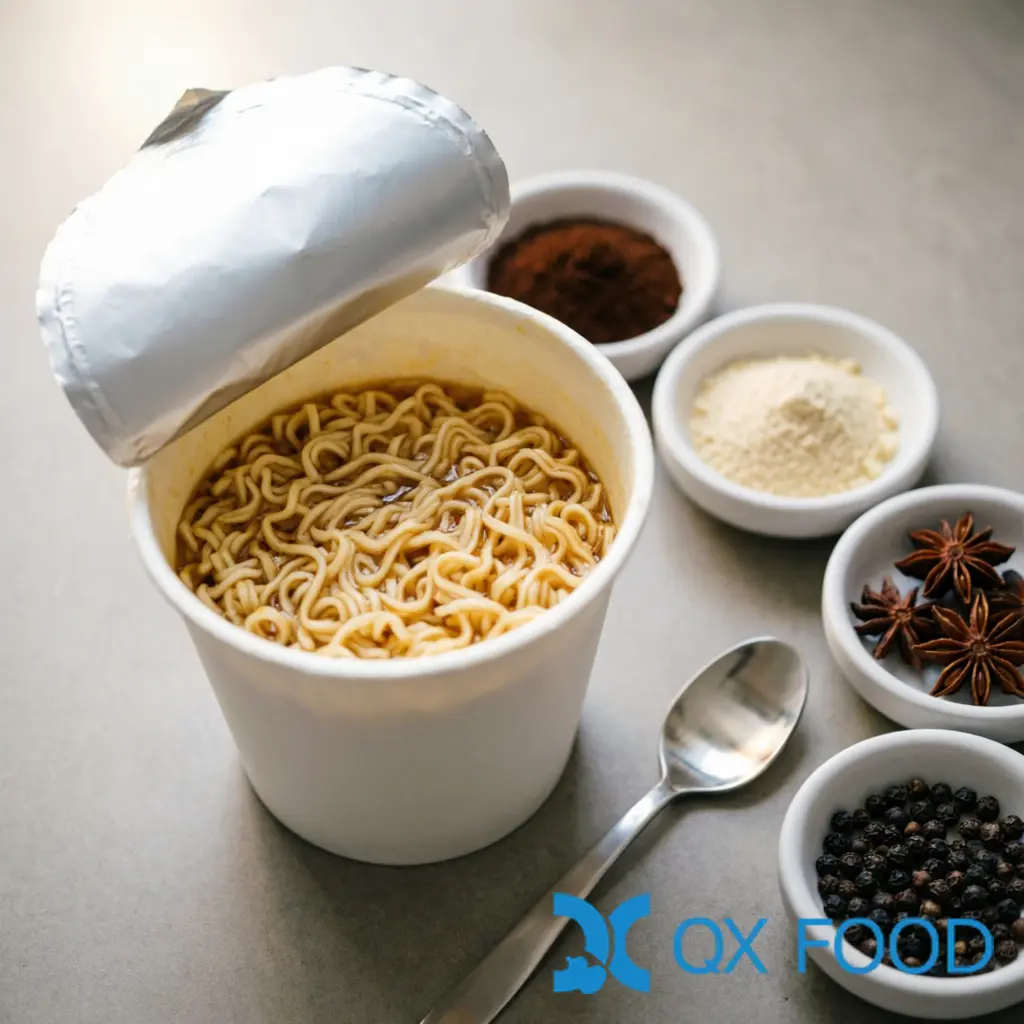
Clean label flavor programs remain a major formulation trend in 2026, but “clean label” is still not one regulatory standard or one fixed ingredient list. For convenience-food manufacturers, the practical question is therefore not simply which additives to remove, but which product functions have to be rebuilt, how the replacement behaves in the actual process, and whether the final declaration fits the buyer’s policy and destination-market rules.
Kline’s 2026 food and nutrition outlook ranks clean label and natural among the industry’s high-priority, rising themes, driven by ingredient transparency, recognizable components and processing concerns, and describes clean label as becoming a baseline expectation. That market momentum is real, and so is the discipline gap between a trend and a specification.
Quick answer. “Clean label” is not one legal or globally accepted ingredient standard. In 2026 it remains a major product-development trend, but each brand or buyer defines its own policy. Successful reformulation therefore starts by identifying the technical function being changed, testing replacement options in the finished product, and checking the final declaration and claims against the destination-market rules.
Clean Label Is a Buyer-Defined Policy, Not a Regulatory Category
“Clean label” has no single legal or globally accepted definition; a 2024 review in Comprehensive Reviews in Food Science and Food Safety makes the point directly, noting that no single agreed-upon definition of clean label exists. In commercial practice, buyers may use the term to describe shorter ingredient lists, familiar ingredient names, avoidance of selected additives, minimal-processing preferences or other brand-specific criteria. These requirements should be separated from the actual food-law requirements that govern ingredient declarations, additives, flavorings and claims in the destination market.
| Layer | Who decides | Example |
|---|---|---|
| Food law | Regulator | Permitted additives, ingredient declaration, flavoring definitions |
| Retailer or brand policy | Buyer | Avoid selected E-numbers, MSG, preservatives or certain processing aids |
| Consumer positioning | Brand or market | “Simple ingredients”, “recognizable ingredients”, “natural” messaging |
| Certification | Scheme or certifier | Organic, Halal, Kosher and similar schemes |
One consequence matters for formulation teams: buyer-defined avoidance of MSG should not be confused with a universal regulatory classification of MSG as “artificial.” In the United States, FDA considers added MSG generally recognized as safe and notes that free glutamate occurs naturally in ingredients such as hydrolyzed vegetable protein, yeast extract and soy extracts, and that foods containing those ingredients cannot claim “No MSG” or “No added MSG”. The same logic extends to colors, preservatives and flavoring categories: they are buyer policy decisions about directly added ingredients, not universal definitions of artificial versus natural.
Clean Label Flavor Trends 2026: What the Momentum Does and Does Not Mean
| 2026 trend | What it does NOT mean |
|---|---|
| Simpler ingredient lists | Fewer ingredients are automatically safer |
| Recognizable ingredients | Every familiar ingredient fits every buyer policy |
| Natural positioning | “Natural” has one global definition |
| Reducing selected additives | Every additive has a one-for-one natural replacement |
| Fermentation interest | Yeast extract or HVP automatically qualify as clean label |
| Transparency | Every supplier must disclose proprietary formulas |
Read the two halves of the table together: the trend column describes what buyers and consumers are asking for in 2026, while the right column protects the formulation team from turning marketing language into specification language. A clean label flavor program that skips this distinction usually ends up removing ingredients faster than it can prove the replacements, which is why the function-first method below exists.
Ingredient Options Depend on the Function You Need to Rebuild
A clean label flavor reformulation starts from the function being replaced, not from a category label. Each ingredient in the current formula should be mapped to the technical job it does, and candidates should be screened for that job in the finished product:
| Function to rebuild | Ingredient categories to evaluate | What must be checked |
|---|---|---|
| Umami or savory | MSG, HVP, yeast-derived ingredients, fermented powders | Sensory result, sodium, declaration, buyer policy |
| Aromatic profile | Spices, herbs, flavorings, extracts | Heat and process stability, dose, declaration |
| Color | Food ingredients, permitted colors, extracts | Finished color, stability, market rules |
| Acidity | Food acids, fermented ingredients, vinegar powders | pH, sensory, legal declaration |
| Preservation or oxidation control | Approved additives or suitable food-derived systems | Actual efficacy, shelf life, permitted use |
| Texture or body | Starches, hydrocolloids, food solids | Processing, label policy, finished texture |
No category is automatically the clean-label solution. A reformulation may use a familiar food ingredient, a natural flavoring, an extract, another permitted additive or a process change to rebuild a function; there is no universal one-for-one “natural counterpart” for every additive. Preservation, emulsification, oxidation control, texture and color in particular may survive reformulation only as approved additives or as systems that need their own validation. Mapping every removed ingredient to a measured function also produces the test plan for the next stage: each rebuilt function gets an endpoint, a process condition and an acceptance criterion before the line trial starts.
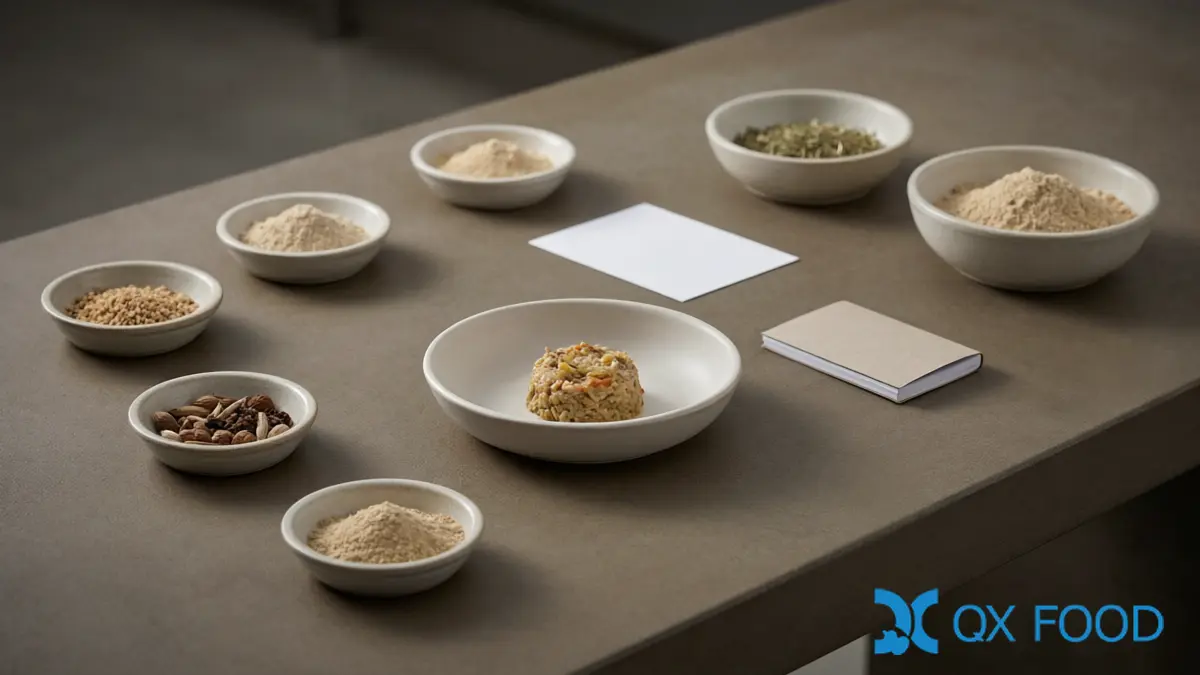
The MSG Question: Start From the Finished Savory System
Removing directly added MSG does not define the replacement. First document the reference formula, including salt, nucleotides, HVP, yeast-derived ingredients, fermented ingredients and flavors; then identify the sensory and formulation gap created by the change. Candidate systems should be screened in the finished product rather than assigned a universal replacement ratio or a “cleaner” ranking. The full comparison framework, including why E-numbers are an EU labelling convention rather than a cleanliness score, is covered in our HVP vs MSG guide.
Two labelling realities anchor this work. In the EU, an E-number is simply the identification number of a permitted additive used to simplify labelling of substances with complex names; authorization itself follows safety assessment by EFSA and a demonstrated technological need, as the European Commission explains. In the US, directly added MSG must be declared as “monosodium glutamate”, while naturally occurring glutamate in HVP, yeast extract or soy extract does not require a glutamate declaration, and foods containing those ingredients cannot claim “No MSG” or “No added MSG”.
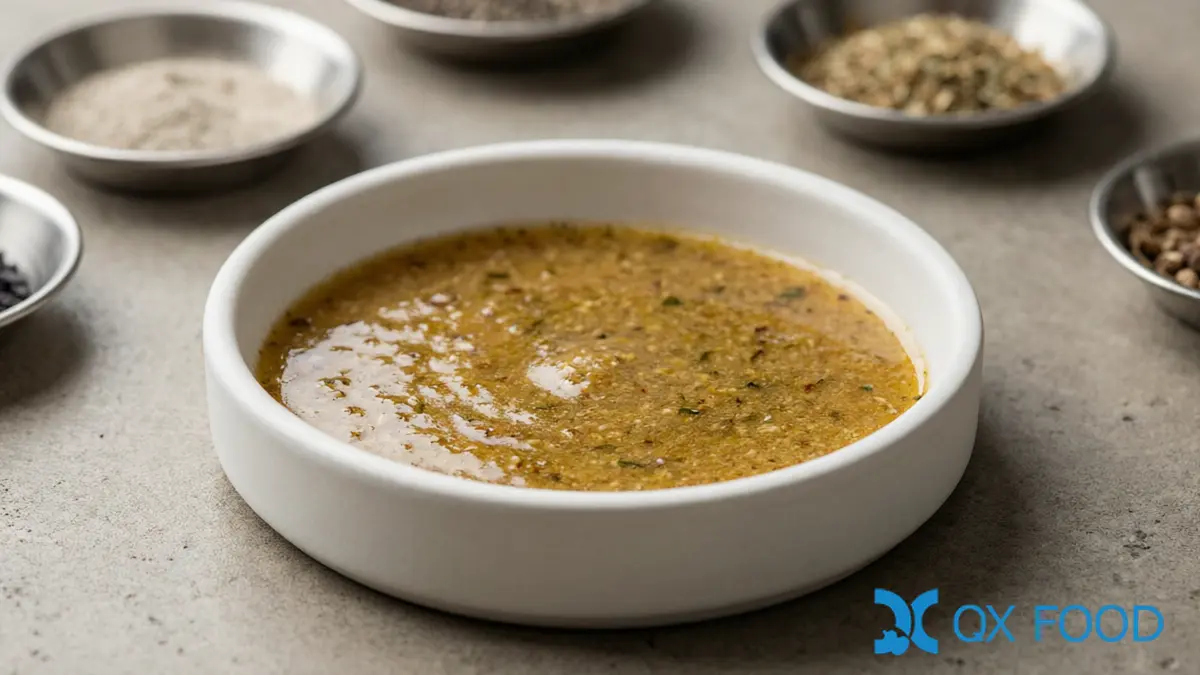
Processing Performance Must Be Revalidated After Reformulation
Clean label flavor systems need the same process validation as the formulas they replace, but the failure modes are specific, not categorical:
- Aroma retention. Many volatile aroma compounds are sensitive to heat, oxygen and storage, but stability depends on the compound, its delivery form, the food matrix and the heat history, not on whether the source is “natural” or “synthetic”. Encapsulation design, wall material and matrix can substantially improve volatile retention, as shown by a 2026 aroma encapsulation review in Food Chemistry and by studies of co-encapsulated spice oils in retorted ready-to-eat chicken.
- Powder handling. caking, flow and moisture behavior are system properties of the complete blend, its packaging and storage, not automatic consequences of using fermented or vegetable powders. Flow aids are one possible control and should not be treated as automatically necessary; see our powder caking prevention guide.
- Batch variation. raw-material variability can matter where it affects the finished product, and product-specific specifications, appropriate batch documentation and supplier change control are the response. The specification defines targets; the batch COA reports measured results; the two are not the same document.
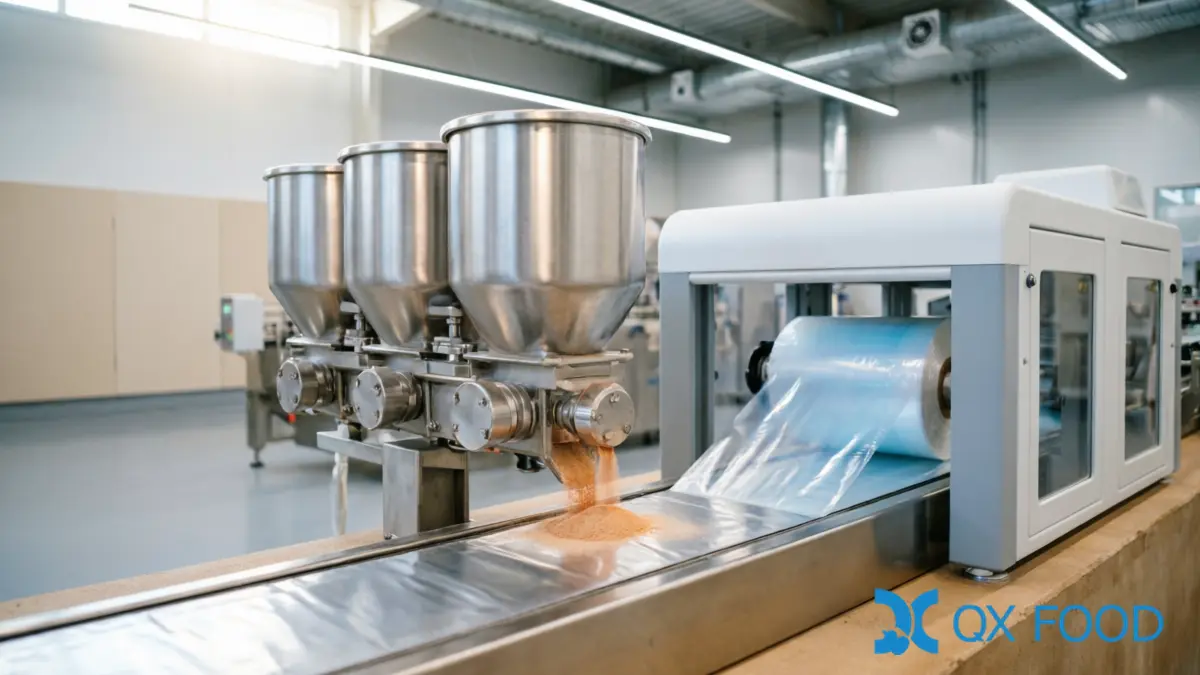
The heat-exposure side of the same discipline is detailed in our flavor stability guide for instant soups, which applies across the convenience category.
Innovation Directions That Survive the Policy Test
Three innovation directions hold up when policy and function are separated:
- Regional flavor development. recognizable spices and fermented ingredients can support region-specific sensory directions such as mala, braised or five-spice profiles, provided the actual ingredient and process choices match the intended reference. Regional systems such as our braised meat spice packs are built this way.
- Multifunctional ingredient design. some ingredients can contribute more than one technical or sensory function, for example color plus flavor, or aroma plus antioxidant activity under defined conditions. Any finished-product nutrition, health or functional claim should be evaluated separately against destination-market rules and supported by appropriate evidence. Note that even “natural” options can be regulated as additives: rosemary extract used as an antioxidant falls under the EU additive rules as E 392 with specified conditions of use in Regulation (EC) No 1333/2008.
- Procurement transparency. ingredient source where relevant, product-specific specification, batch documentation, allergen and source documents, process information and change control. The structure for that evidence file is laid out in our spice procurement standards guide.
A Practical Clean-Label Reformulation Workflow
- Define the buyer policy. record what the buyer or retailer will not accept, which items are marketing preferences, and which are legal requirements in the destination market.
- Map the technical function. for every ingredient being changed, identify the function it currently provides: umami, preservation, color, texture, aroma, pH or flow.
- Screen replacement options. evaluate candidates against the function and the finished-product CQAs, not against a fixed “natural” toolkit.
- Validate process and shelf life. run the candidate in the actual process and storage conditions, including heat history, handling and packaging.
- Recheck declaration and claims. confirm the ingredient declaration, additive status and any claim language against destination-market rules.
- Qualify supplier and documents. request the product-specific specification, applicable batch documentation, technical or compliance documents and application evidence where relevant, plus change control.
How QXFOOD Supports Clean Label Flavor Reformulation
QXFOOD can support reformulation trials with product-specific specifications, applicable batch documentation, samples and certification or technical documents for the selected SKU. Ingredient composition, analytical parameters, certification scope and sample quantity should be confirmed for the selected product rather than inferred from the broader category. Relevant families include:
- HVP and fermented savory. for example soy sauce powder and hydrolyzed soy protein.
- Spice powders. for example garlic powder, star anise and black pepper powder.
- Plant and color-contributing powders. for example paprika and pumpkin powder.
For the full category view, visit the raw spices and herbs category page. Request clean label flavor samples through the contact form on this page and the application team will support your reformulation workflow.
Frequently Asked Questions
Is clean label a legal definition?
No. Clean label has no single legal or globally accepted definition. Buyers use the term for shorter ingredient lists, familiar names, avoidance of selected additives or minimal-processing preferences, and those policies should be separated from actual food-law requirements in the destination market.
Does clean label always mean no MSG?
No. Whether MSG is excluded depends on the buyer policy. FDA considers added MSG generally recognized as safe, and foods containing HVP, yeast extract or other ingredients with naturally occurring free glutamate cannot claim “No MSG” or “No added MSG”.
Can natural ingredients replace additives one-for-one?
Not in general. Preservation, emulsification, oxidation control, texture and color may have no direct food-ingredient equivalent, and replacements can change dose, process, shelf life and sensory results. Each function has to be rebuilt and validated in the finished product.
Are natural ingredients always less stable than synthetic ones?
No. Aroma stability depends on the compound, its delivery form, the food matrix and the process history, not on a natural or synthetic category. Encapsulation and controlled-release systems can substantially improve volatile retention under thermal processing.
How should I start a clean-label reformulation?
Define the buyer policy, map each ingredient to its technical function, screen replacement options against the finished-product CQAs, validate process and shelf life, recheck the declaration and claims, and qualify the supplier and its documentation.
What documents should I request from an ingredient supplier?
The product-specific specification, applicable batch documentation, technical or compliance documents for the selected product, and application evidence where relevant. The specification defines targets; the batch COA reports measured results for a specific lot.